
A lot of brides and grooms take the traditional way when picking their wedding attire. However, some people want to mix it up! Take a look at these truly wild wedding dresses that these people went for instead.
Loony Balloony
We have no idea why a respectable lady like her picked this. That balloon necklace is the icing on the cake. The bad thing about this, however, is that she must be careful on the big day to avoid a wardrobe malfunction. That doesn’t sound very fun to us.

Loony Balloony
A Bit Much
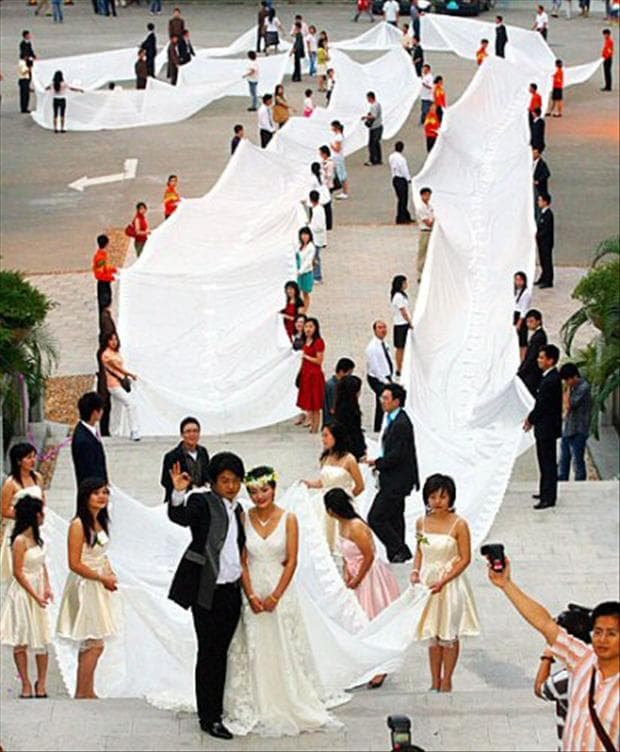
Every bride wants a memorable wedding day, right? This photo will show you that she succeeded in doing that. After all, not everyone gets to wear a dress with a train as long as the one below. Whoa.
A Bit Much
Talk About A Throwback
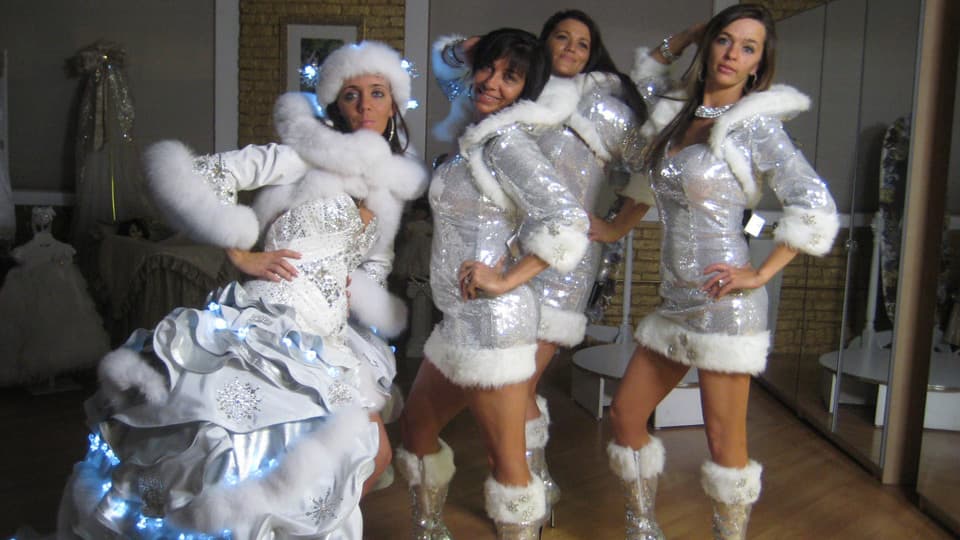
The ‘90s were definitely a fun decade for dressing up. The ladies rocked sparkles and fur like nothing else. This is definitely one unique wedding. It helps that the bridesmaids know their places very well.
Talk About A Throwback
Not That Kind Of Cat Woman
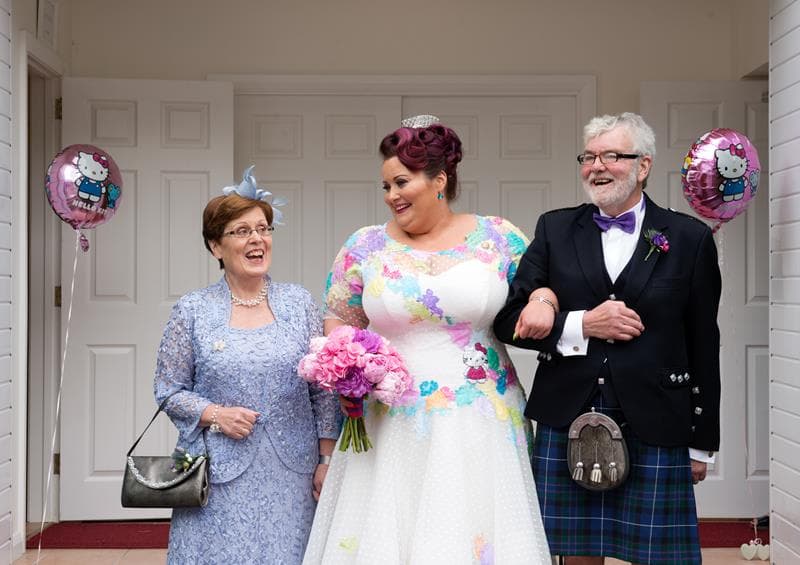
Hello Kitty is simply a classic. The show might have happened a long time ago, but there are people who are still in love with it. She loves everything Hello Kitty so much that she even used it for her big day.
Not That Kind Of Cat Woman
From Rags To Rags
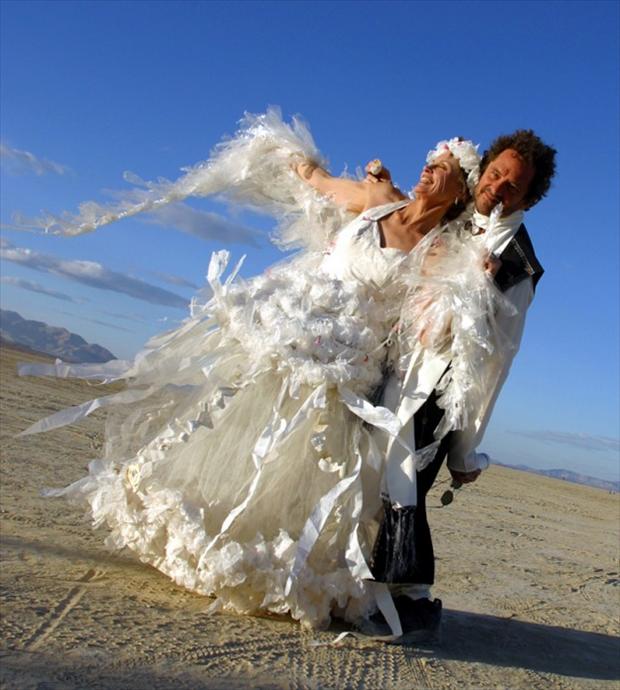
The couple looks like they are about to fall off the planet! There is something strange about the photo here. The groom looks like he just noticed his bride is wearing literal rags. It is a bit too bohemian for us.
From Rags To Rags
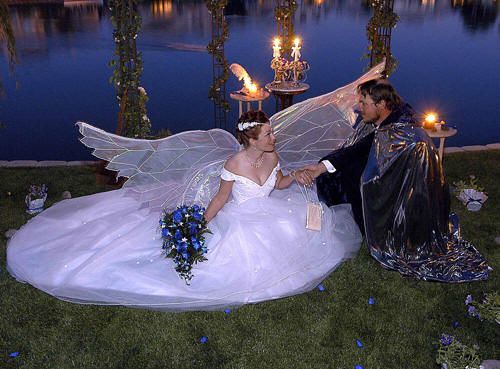
Just Like A Fairytale
Many girls want a wedding day that feels like it came right out of a fairytale. A lot of people have forgotten this, but the bride was insistent. She got the wings and fluffy dress that she always dreamt of.
Just Like A Fairytale
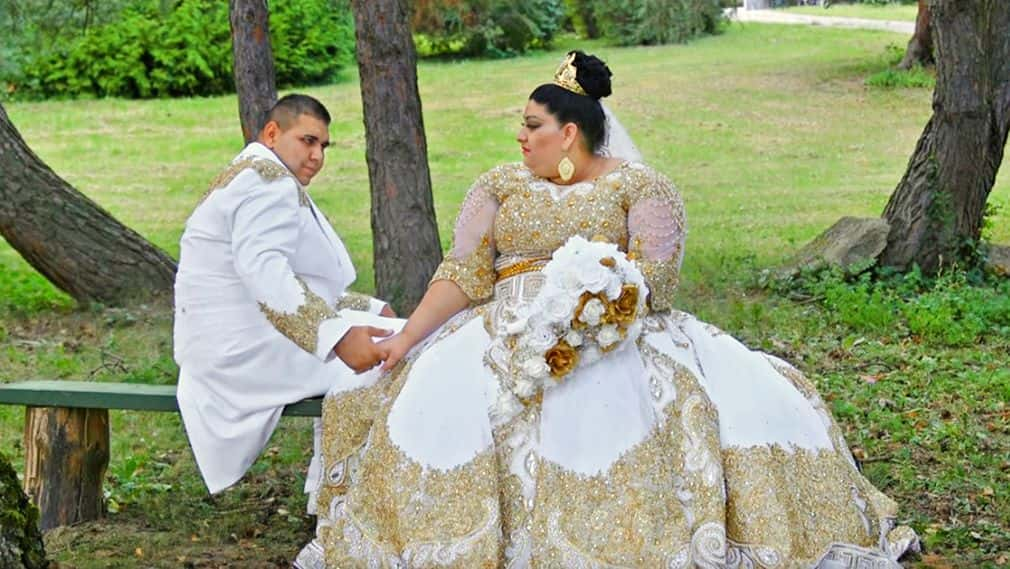
A Dress Worth $235,000
Ah, look at these young lovebirds. They pulled out all the stops on their big day. Eyka was just 19 years old, but there was no stopping her from wearing something this lavish. She knew what she was doing.
A Dress Worth $235,000
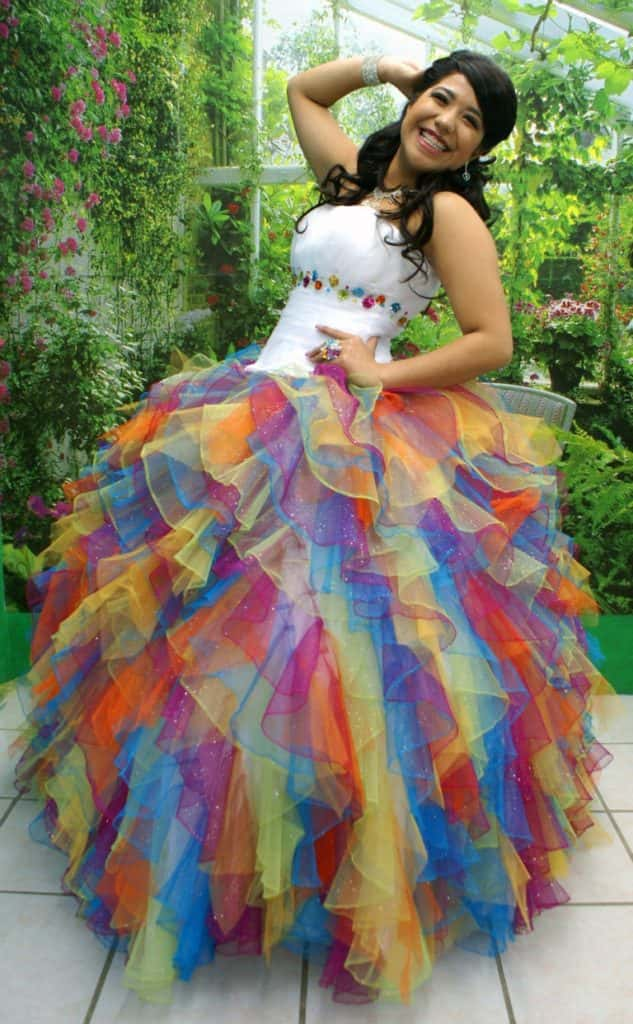
White Is Out
Most wedding gowns are white, but rules are for schmucks. That was clearly what they thought when they decided to spice it up by using more colors. The frills and rhinestones clearly made for a nice touch.
White Is Out
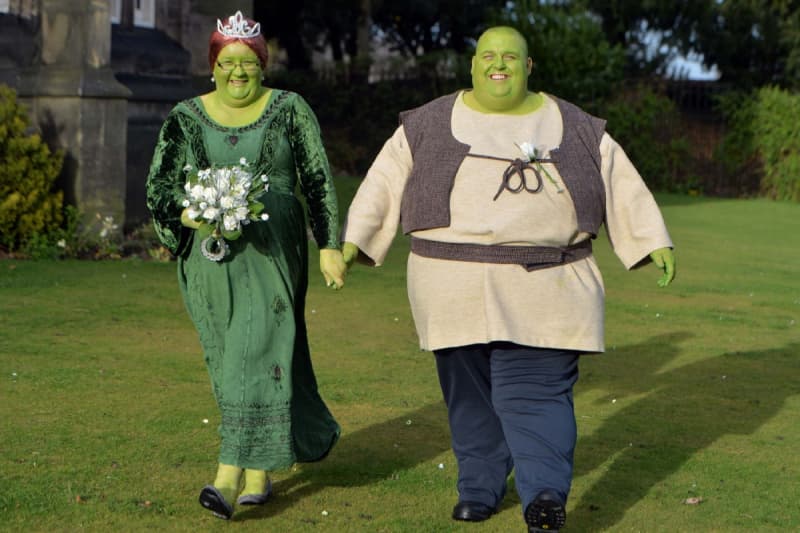
Shrek And Fiona In Real Life
Well, isn’t this just adorable… if a little unconventional. Fiona and Shrek are the best, but this real-life interpretation is a bit much. At the very least, they look as happy as can be in this photo. Good for them.
Shrek And Fiona In Real Life
Cacti And Wedding Gowns
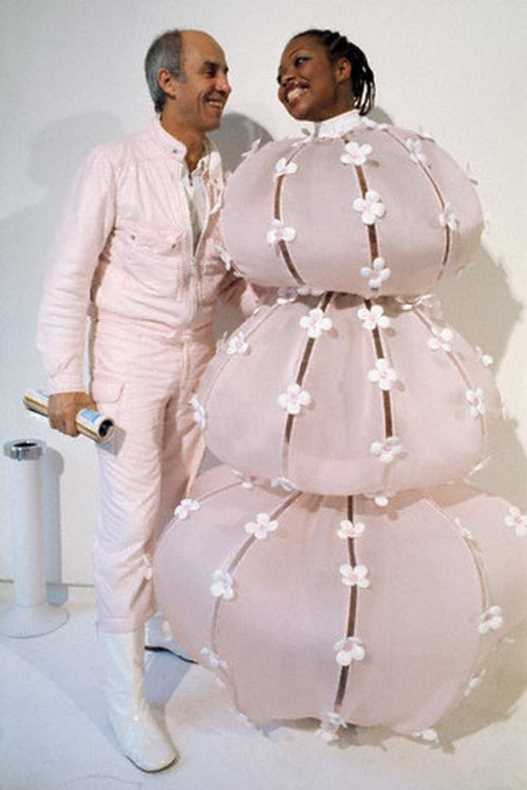
Have you noticed just how popular cacti has become among plant enthusiasts? She took it way too far, however. This is unique, but who said that this is good all the time? As long as they’re happy, we guess.
Cacti And Wedding Gowns
Throwing Out Tradition
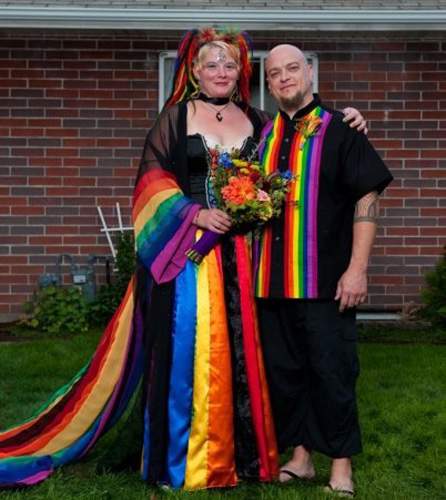
Well, this is certainly breaking the rules. What a cool couple. They did not just wear black clothes but doubled down with rainbow accents. While not everyone’s cup of tea, we admire their guts to do this.
Throwing Out Tradition
Too Lit To Get Married
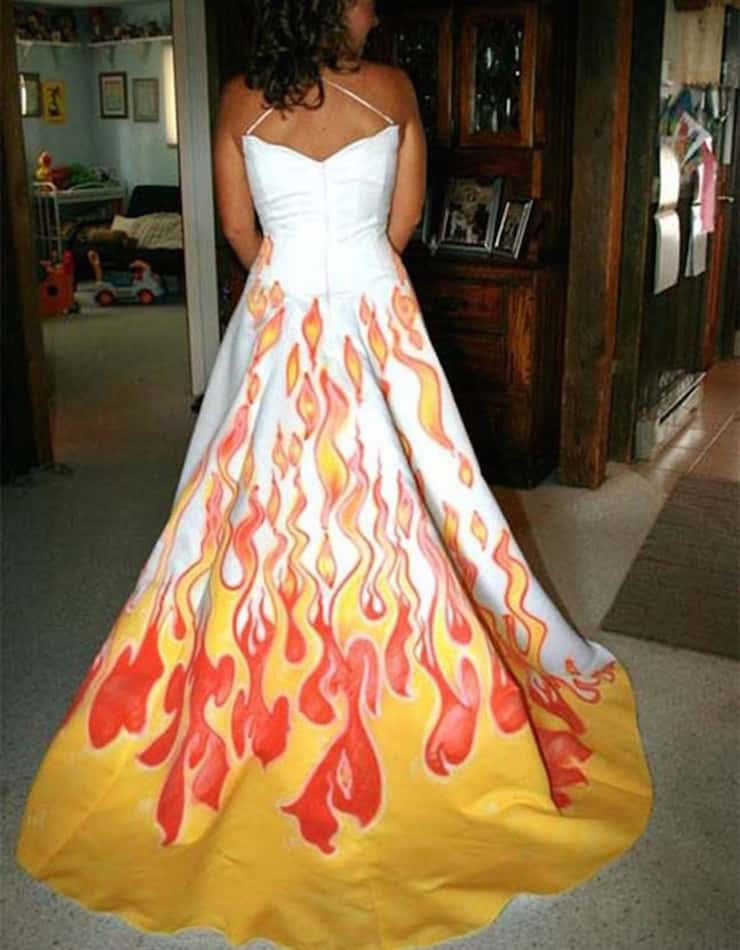
By now, you must know that this is all about grooms and brides opting for the unconventional. The young woman in this photo was a fiery one. She went for a white base and spiced it up with flames.
Too Lit To Get Married
For The Children
Clearly, there are many wedding dresses that will shock us even if you have attended lots of weddings in the past. Many moms will want their kids to be part of their big day, but this is just a little over-the-top.

For The Children
Gangster Groom And Bride
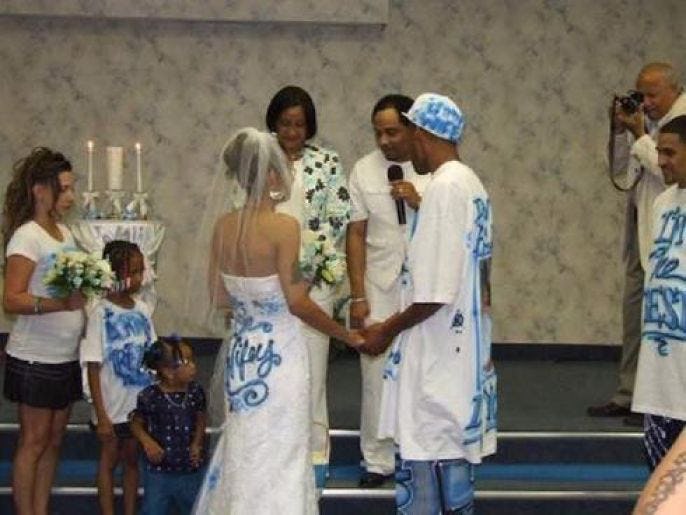
Gangsters believe in true love as well, you know. The couple here wanted to have a unique wedding day, so they decided to spray-paint their clothes. It is street and tradition in one neat package, am I right?
Gangster Groom And Bride
A Shotgun Wedding
Shotgun weddings are nothing new whatsoever. However, this is not how it is usually done. We feel a little worried because the bride does not seem happy like others. Is it the dress or her dad with the gun?

A Shotgun Wedding
Punk Rock Proposal
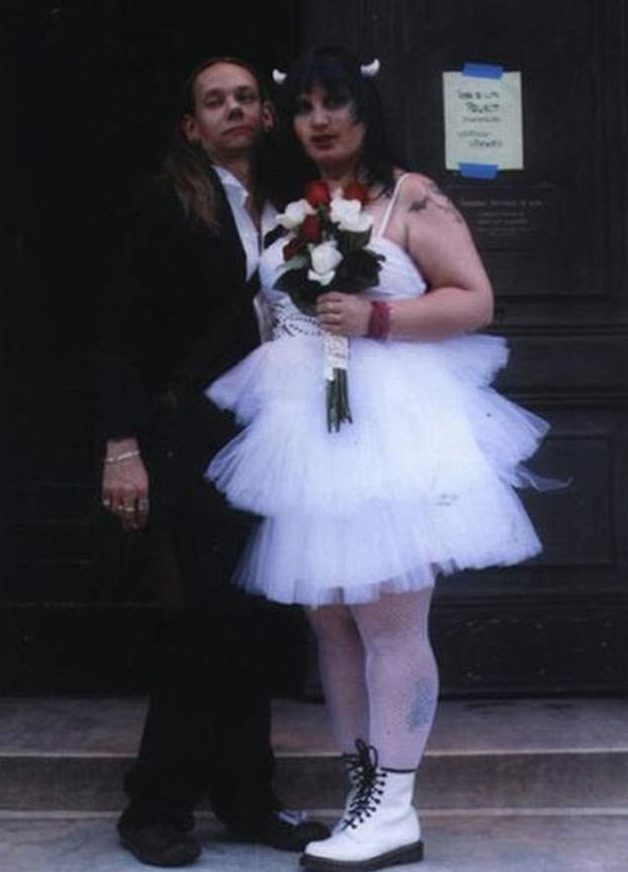
Punk rock is not just a music genre, but it is also a lifestyle. She did not just opt out of the typical setup. Nope, she improved it! We just want to know how the priest felt after seeing her with those horns.
Punk Rock Proposal
Piece Of Cake
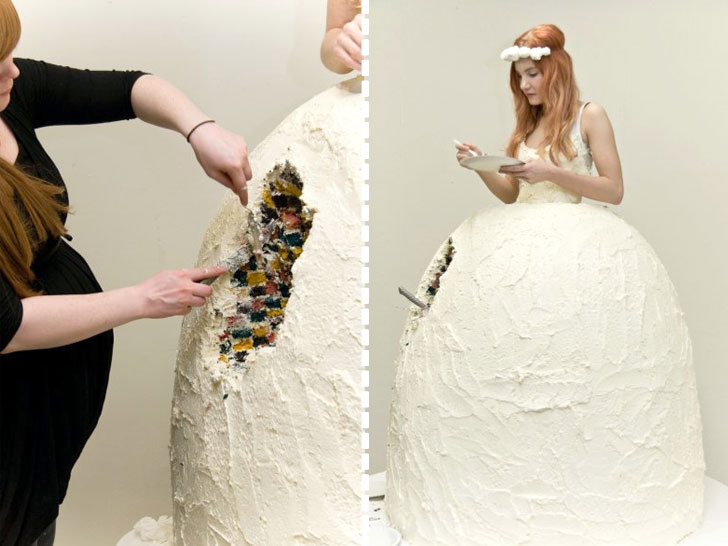
What a practical bride. She was aware that weddings get busy and crowded, so she did something about it. Do you want a slice of cake? Well, come and get it. What a brilliant solution she came up with.
Piece Of Cake
Wedding Festivities
Nearly everyone likes Christmas, but this lady is a bigger fan than most. She decided to use her wedding gown as a platform to let everyone know. You should consider this if you want a December wedding.

Wedding Festivities
Getting Buzzed With The Bride
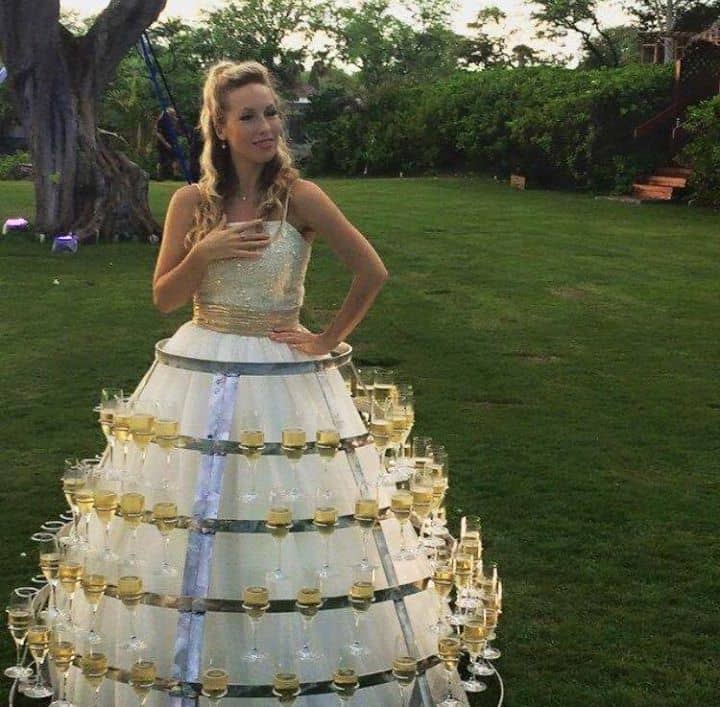
Many people choose their wedding dresses based on how they look. This bride, however, was all about function over form. She decided to go as a wine rack on the big day. It is not a bad idea at all!
Getting Buzzed With The Bride
Fussy Frills
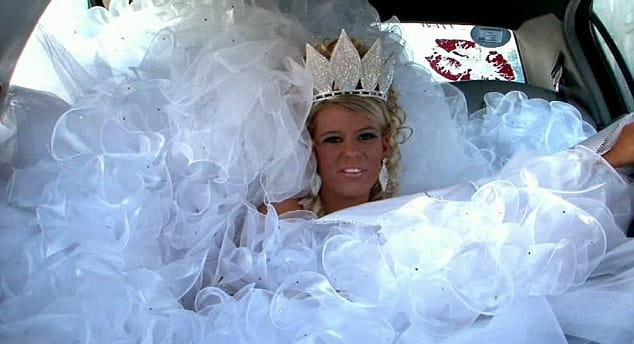
Lots of wedding gowns come with ruffles and frills. The woman here is living proof that this is not always a good idea. Frills can be bad when used incorrectly. It is not always true that the more, the merrier.
Fussy Frills
Her Inner Child
She does look just like a Barbie, doesn’t she? We doubt that it was only a coincidence that she ended up with this wedding dress. Clearly, this woman is a child-at-heart regardless of how old she might be.
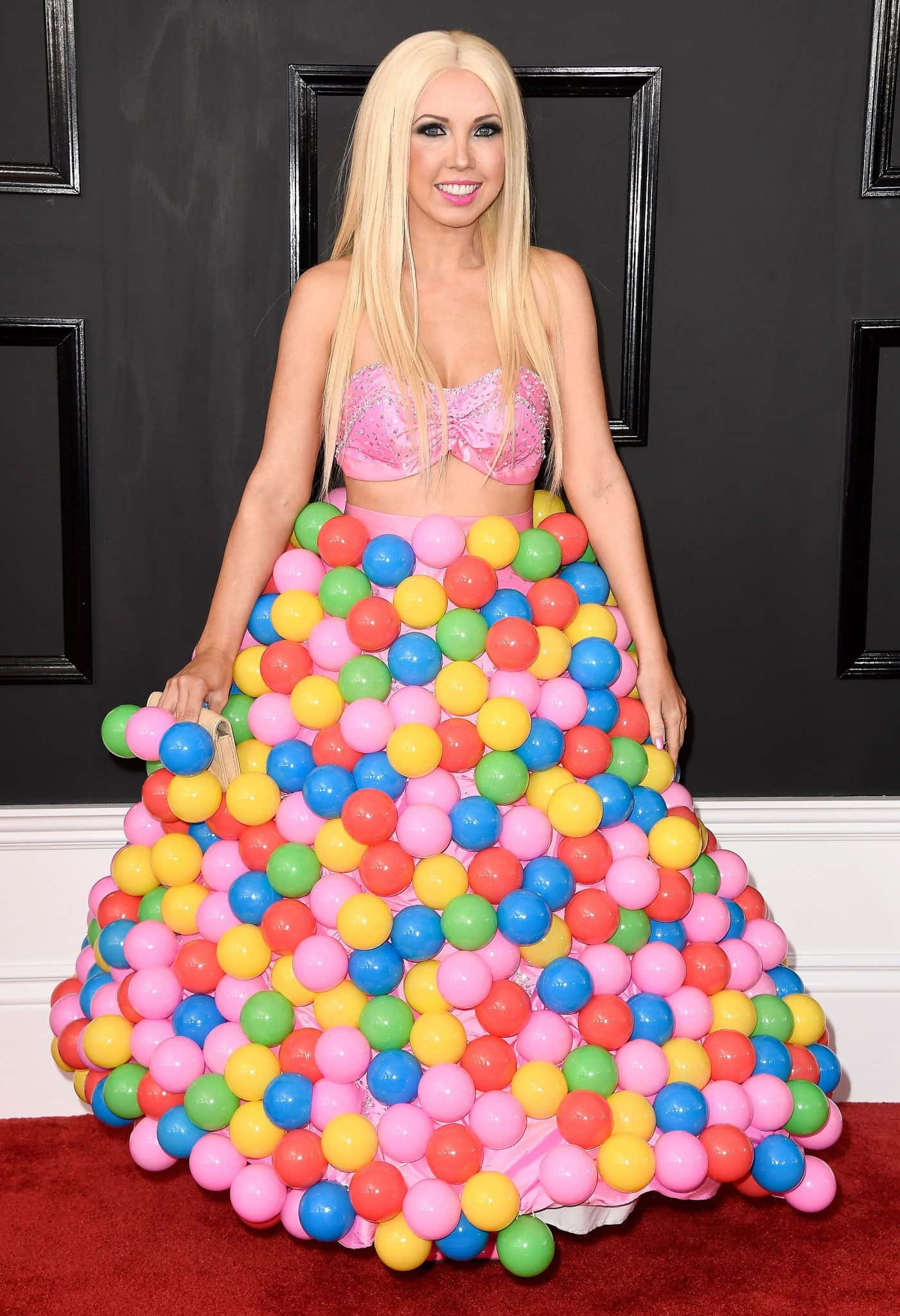
Her Inner Child
A Walking Cupcake Tower
Do you think she is the sister of the wine rack lady? After all, it does not sound likely that they came up with the same idea out of the blue. She preferred to serve desserts instead of drinks, however.
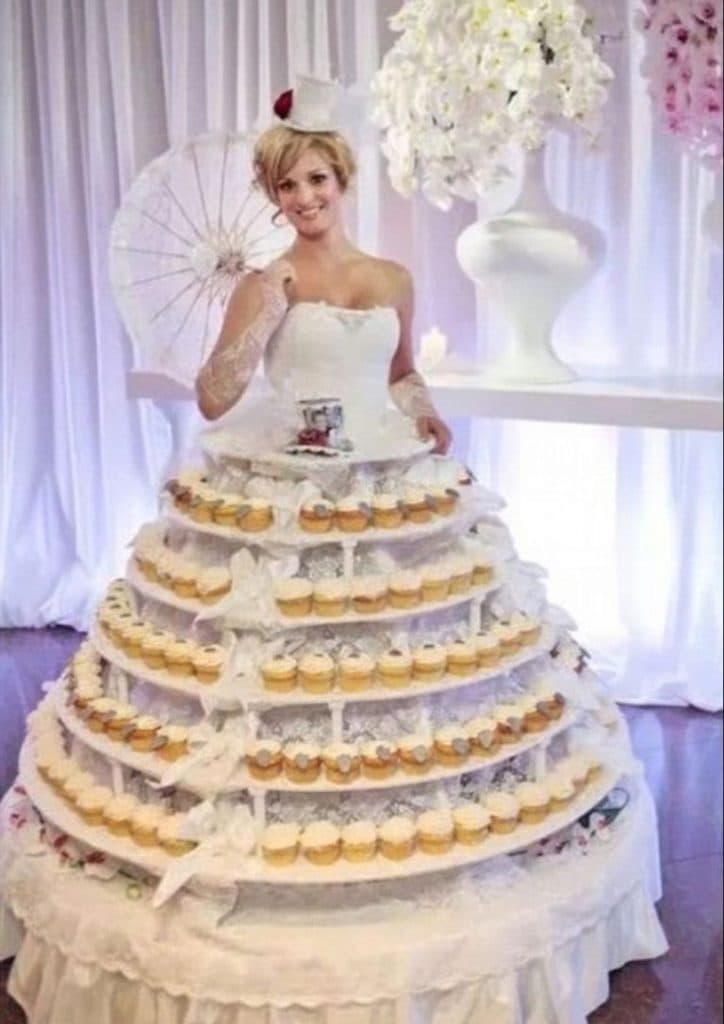
A Walking Cupcake Tower
Animal Lover
Brides and grooms like to coordinate their outfits. Bridesmaids often wear matching outfits as well. At any rate, a bride matching with a sheep is unheard of. We just hope that it makes this woman happy.
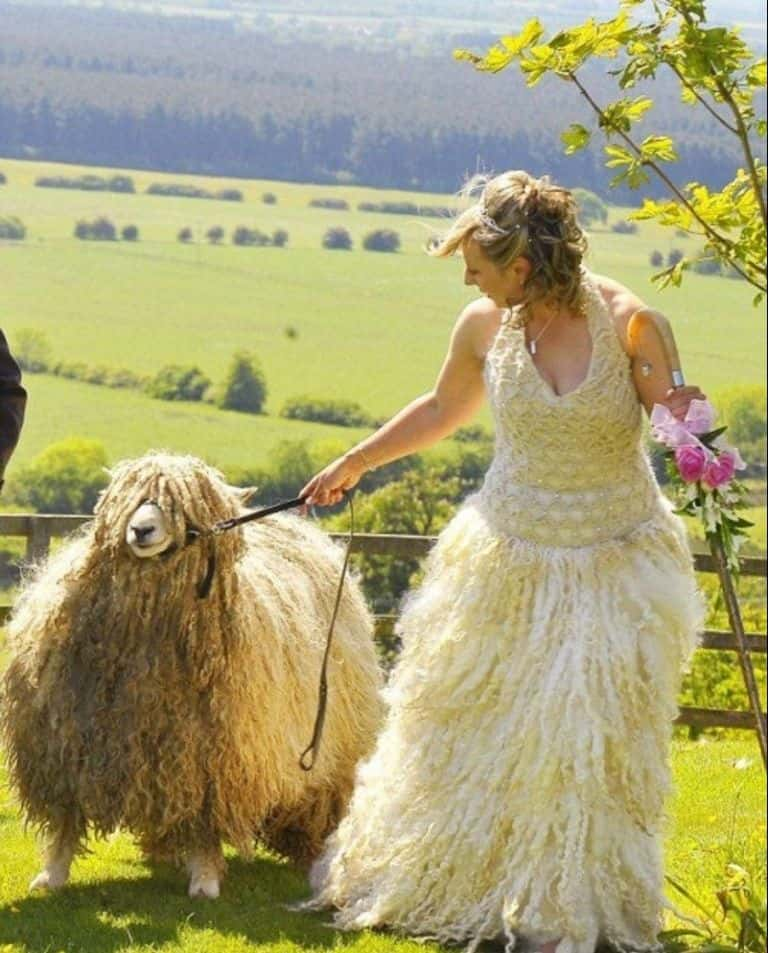
Animal Lover
A Little Help From My Friends
Some people shell out huge sums of money for their wedding. Still, feel free to marry the love of your love on a budget. Your friends might be ready to share the costs of the big day with you and more.
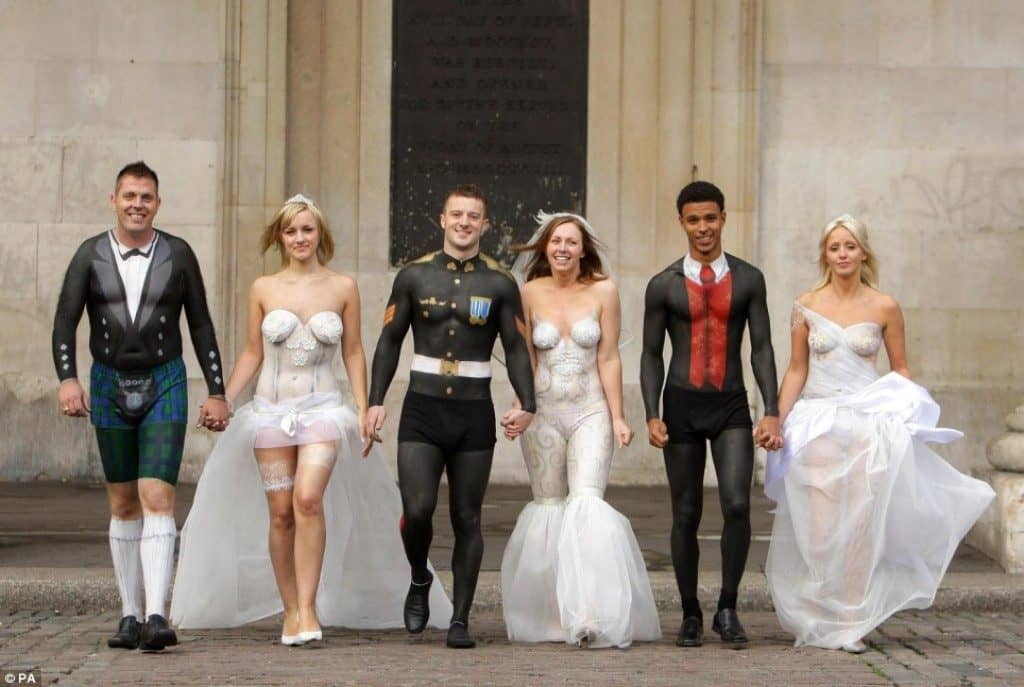
A Little Help From My Friends
Pretty In Pink
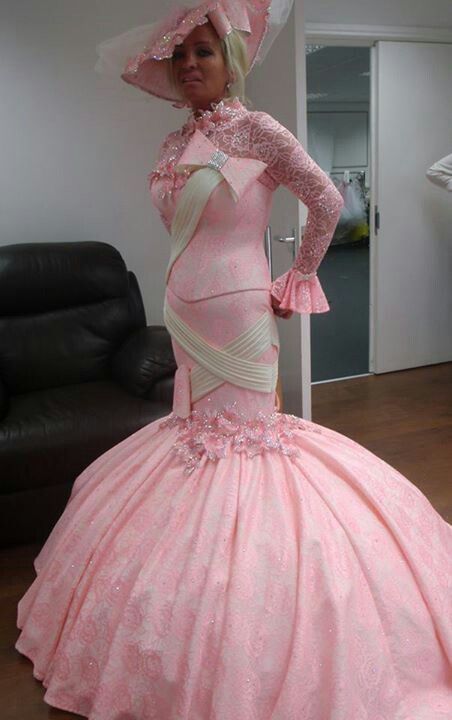
White and black is out, colors are in. Take a look at the Pink Lady right here. Yes, the giant fishtail train looks like a UFO. The hat is pretty unorthodox too. How do you feel about that bow and all that glitter?
Pretty In Pink
Casual But Classy
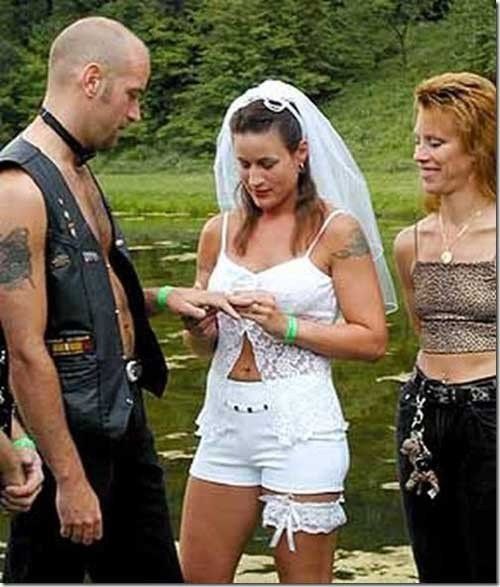
For weddings, the two parties must come to an agreement. They could not decide on whether to go casual or classy, so they did both. The two love their bikes and wanted to stay true to themselves.
Casual But Classy
Cut For Comfort
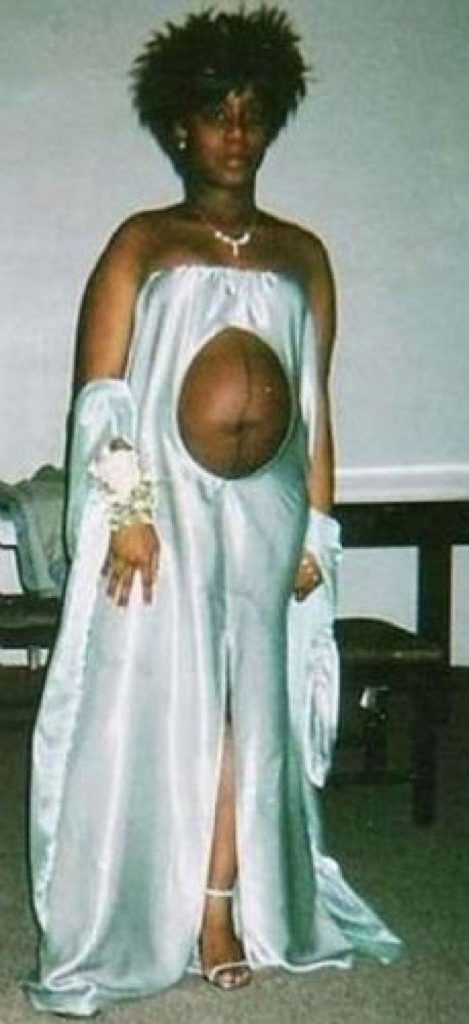
Not many people consider comfort when choosing a wedding dress. It’s hard to achieve this with a baby on the way. It is not hard to see why she would want nothing constricting her belly on her big day.
Cut For Comfort
Disposable Artsy Wedding Attire
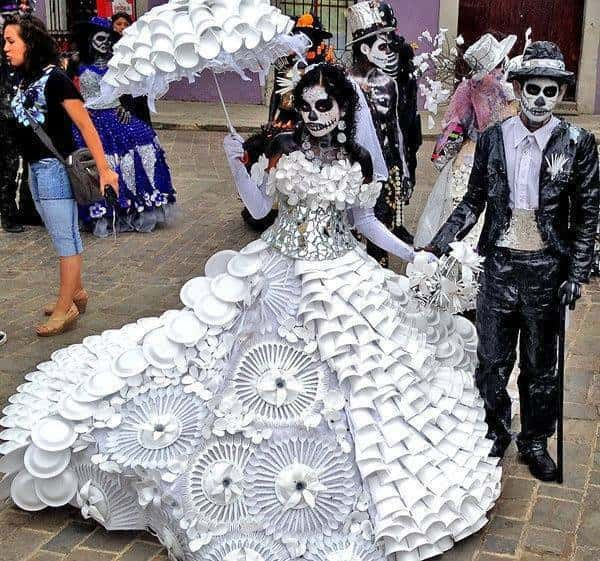
The young lovebirds here wore disposable outfits. Her gown was made with paper plates and his suit was made with garbage bags. There are many things we can say about this, but it is surely unique.
Disposable Artsy Wedding Attire
Getting Hitched With A Landlubber
Go overboard if you plan to have a pirate-themed wedding. You can bet that the landlubbers below feel the same way. The bride’s outfit is especially great. The corset and hat look amazing on her, right?
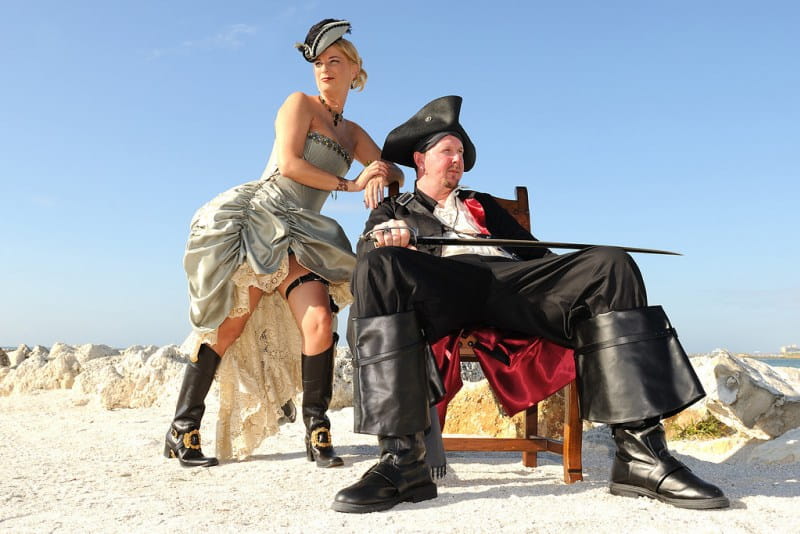
Getting Hitched With A Landlubber
Gown In The Dark
Wedding dresses barely get the attention that they deserve. The one below will surely make your eyes pop. The beetles were not just meticulously illustrated, but it glows in the dark. How awesome is that?
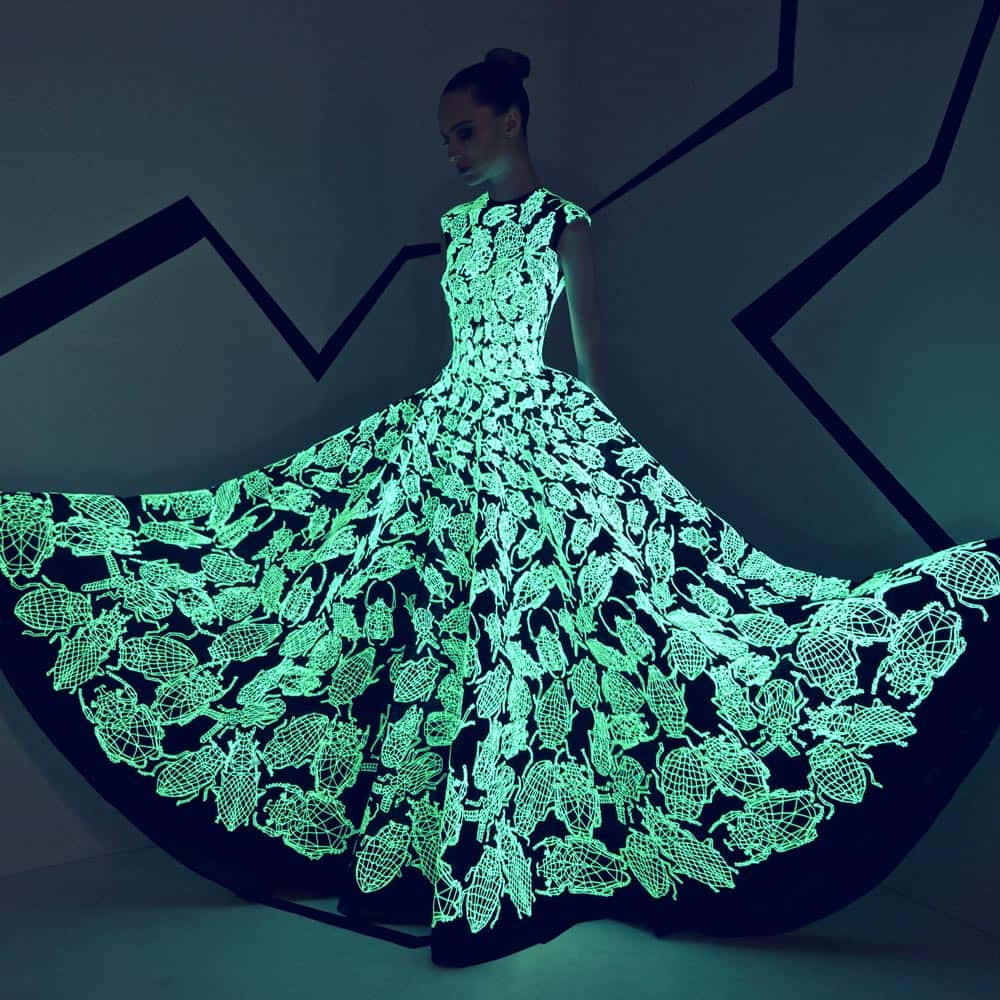
Gown In The Dark
Pink Frills For Ages
Many people pretend to be princesses when they are young, but many have stopped by the time they get married. Nothing was going to stop this woman from going all-out! Look at her tiara and those frills.
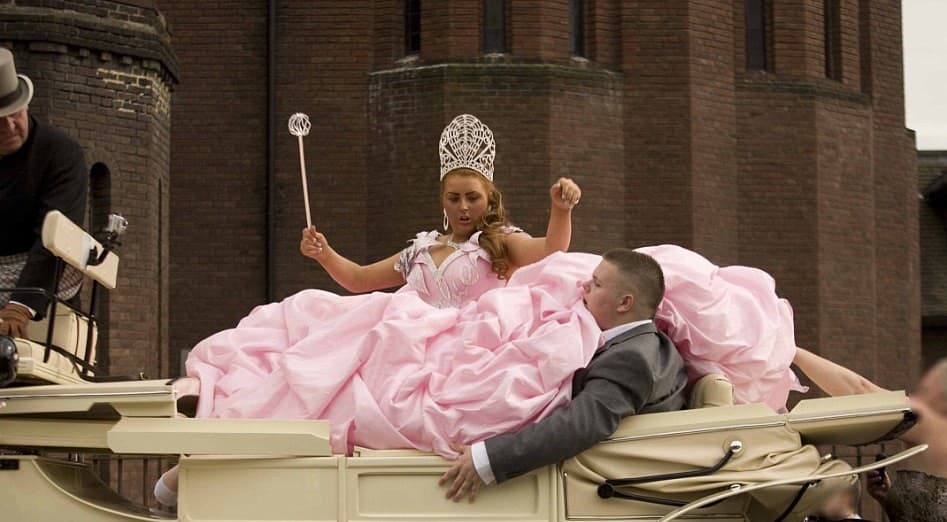
Pink Frills For Ages
Ferrero And Ever
Tell us Ferrero Rocher is awful, and we will never talk to you again. This lady is clearly just as passionate about her favorite candy. Why else would she decide to make it a huge part of her big day, right?
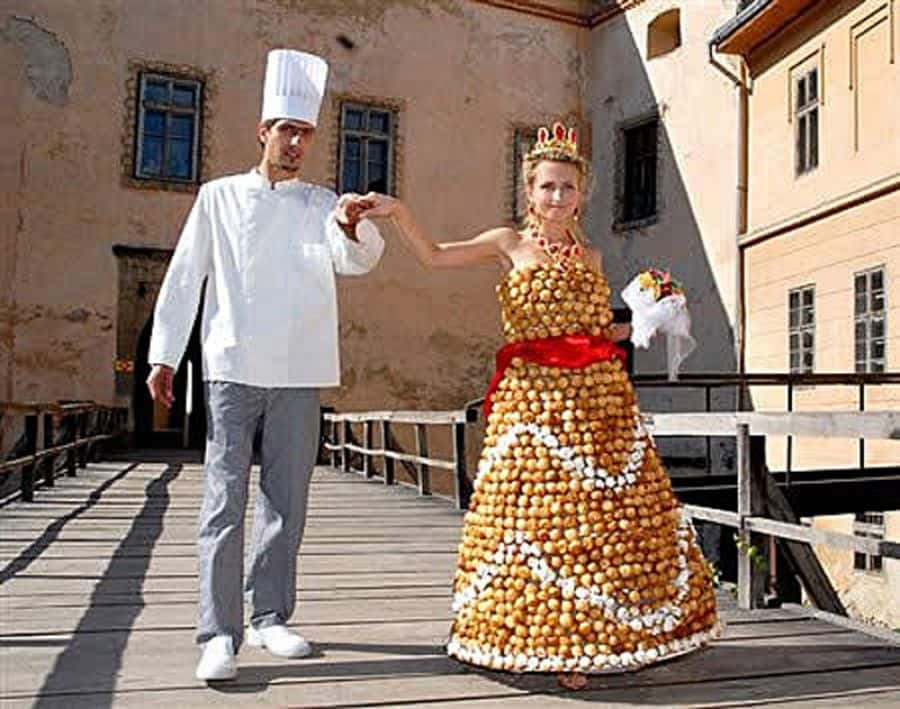
Ferrero And Ever
Blue Is In
Wedding customs say that a bride should have something borrowed, something blue, and something new. She was able to cross the blue one off with this, but don’t you think she went a little overboard?
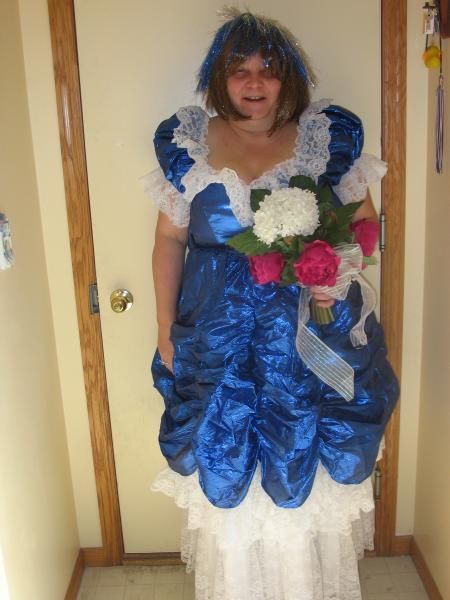
Blue Is In
Too Avant-Garde
Where do we even start? What a treat for the senses! This woman was brave enough to wear something with a bodice, an underskirt, a skirt, and sleeves. The shoes and veil are just the cherry on top. Nice.
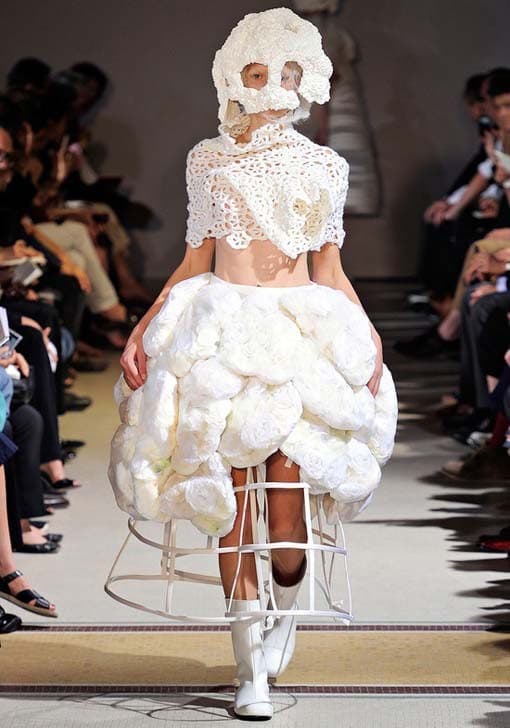
Too Avant-Garde
Mosquito-Proof
Some couples factor in their wanderlust when it comes to their big day. Some like cold places, while others like hot destinations. She was ready to avoid mosquito bites, save for the cutouts on her belly.
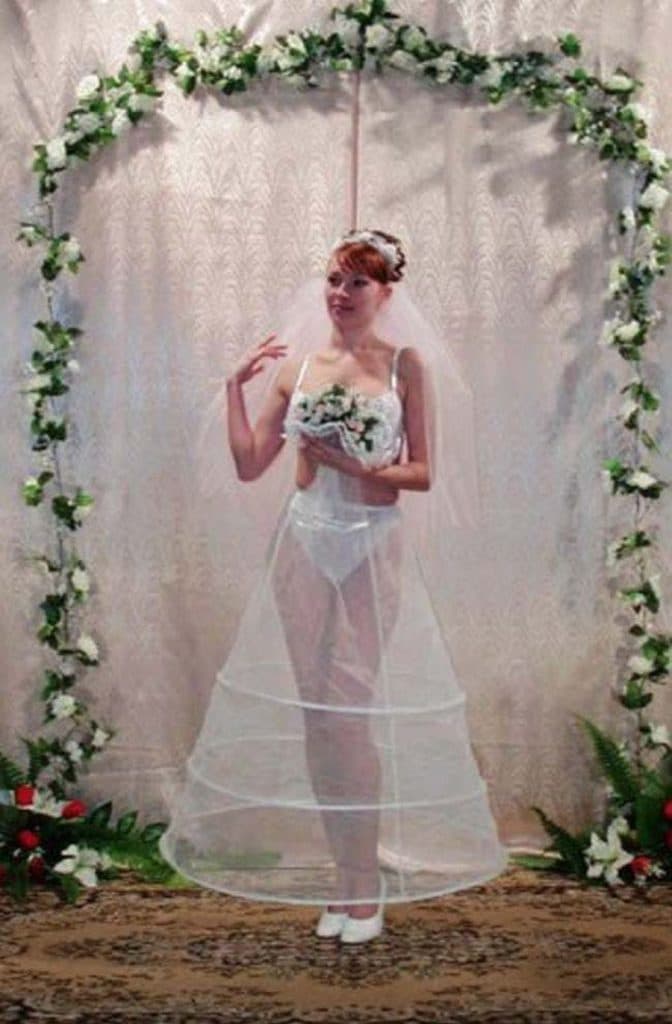
Mosquito-Proof
Attire In Aluminum
Metallic accents can be nice, but this woman was not going to settle for just a little. Look at this aluminum dress with rhinestones. It is both strange and captivating at the same time. We quite like it.
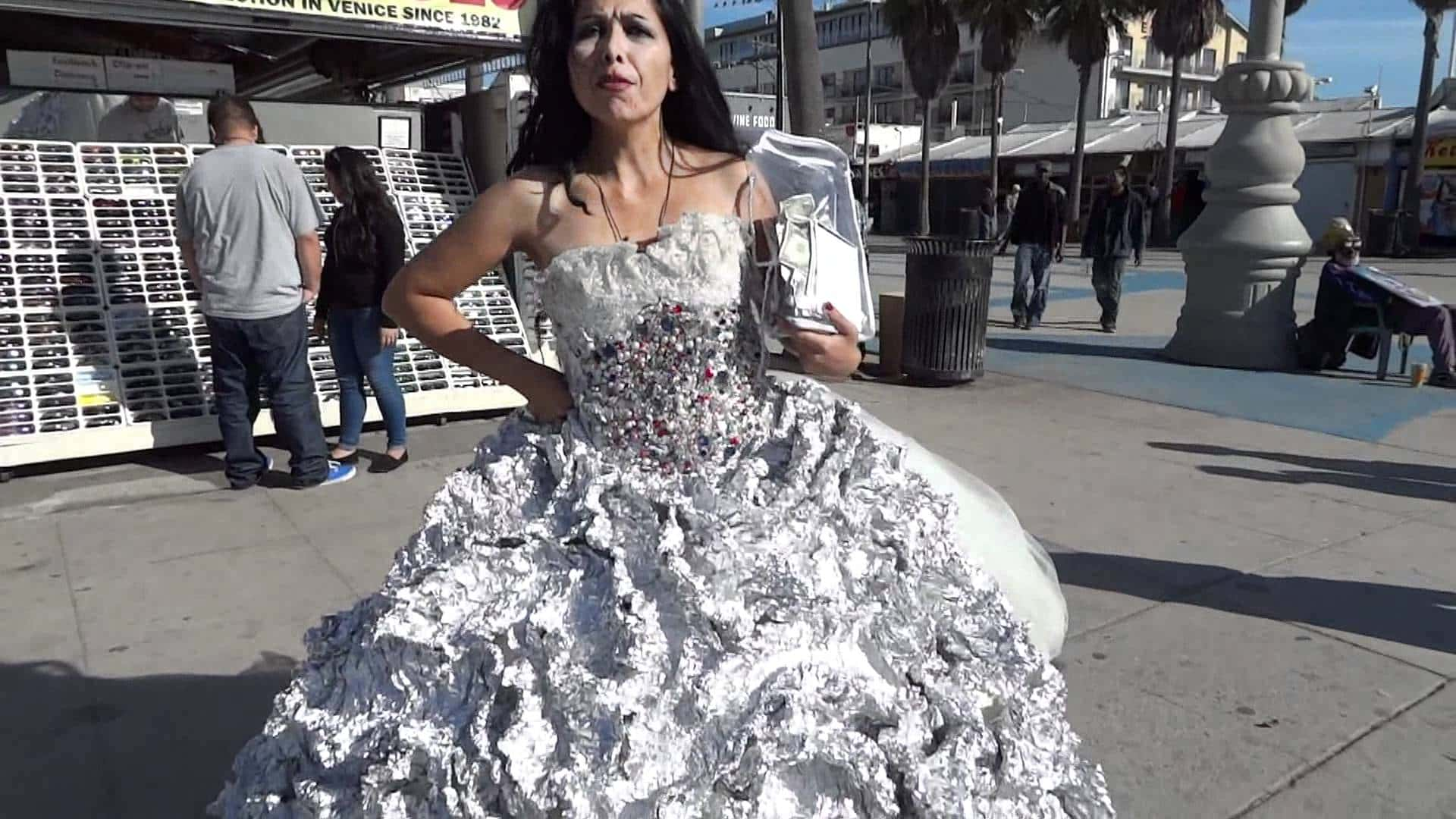
Attire In Aluminum
Chocolate Wedding Dress
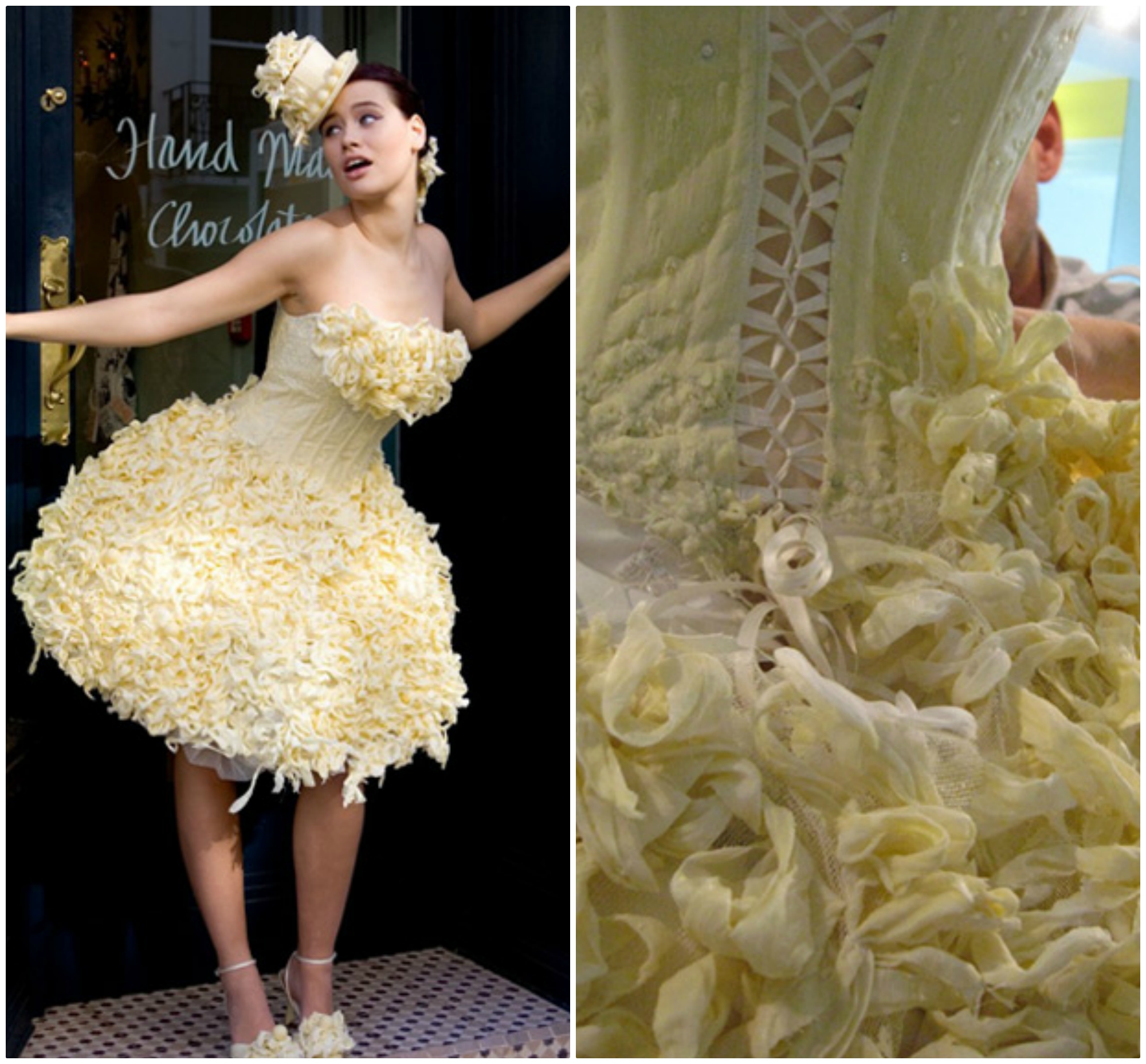
Chocolate Week is simply magical. In 2008, the event was made even more special. What happened? Well, designers at Ian Stuart Brides put in the effort and made an edible chocolate dress. We want one!
Chocolate Wedding Dress
Wedding Blues
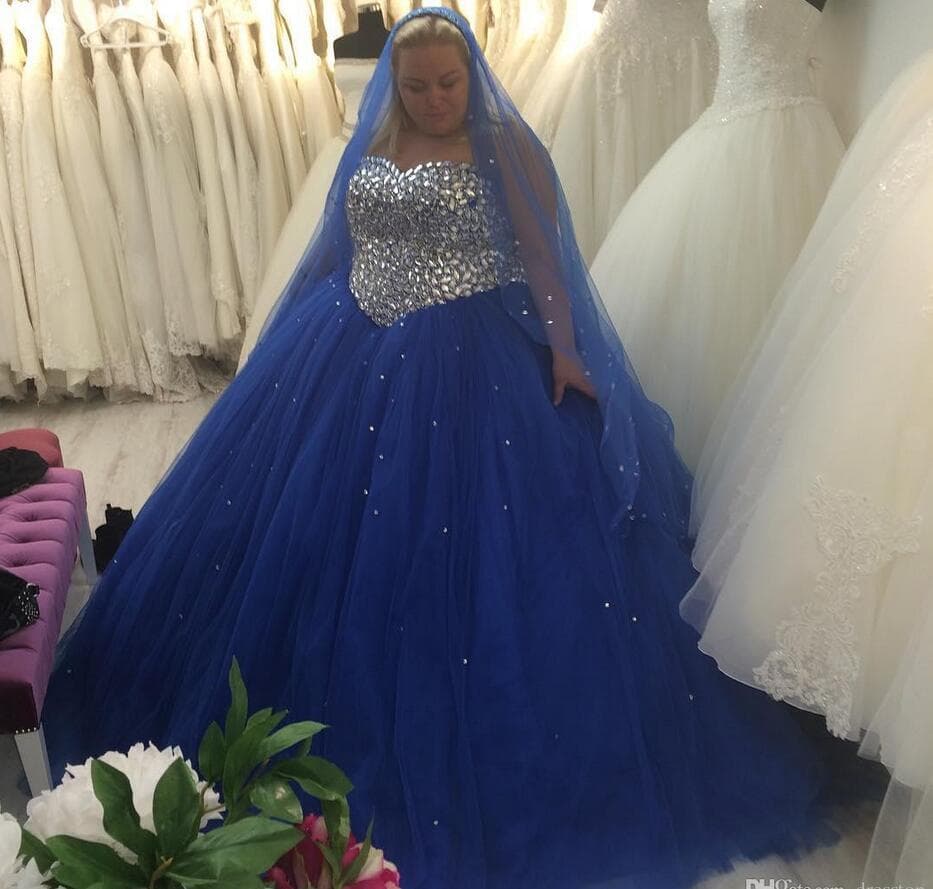
It is not that hard to get the wedding gown of your dreams. Make it as bizarre as you want, and you will surely find someone to make it a reality. Still, it might be a good idea to think hard about the design.
Wedding Blues
Orange Camouflage For The Outdoors
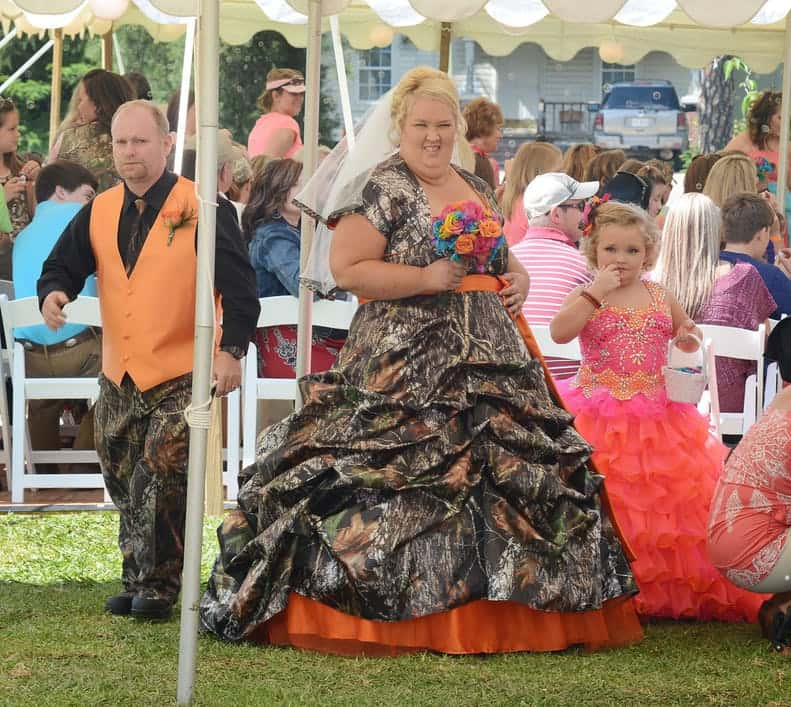
She might be smiling, but this is not something many people would ever wear. The spots and beads make it very unusual. If you want an outdoor wedding, it is wiser to think of something else.
Orange Camouflage For The Outdoors
Urban Graffiti Dress
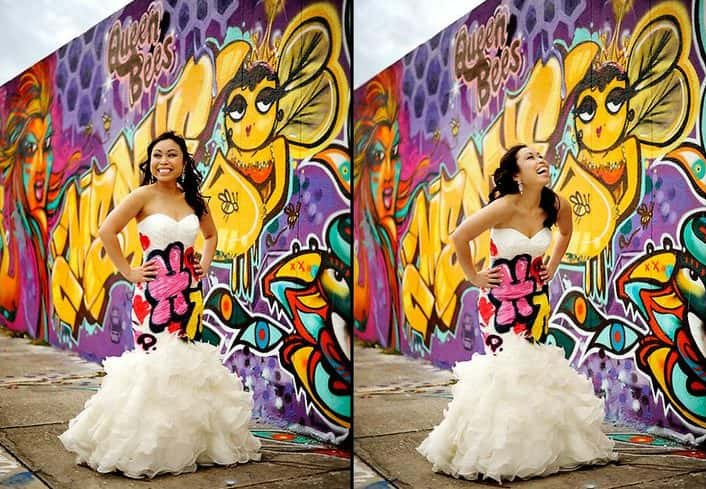
Well, she certainly made a statement when she chose this wedding gown. Who said beauty and function are mutually exclusive? We all love urban graffiti, so we might as well incorporate it into a gown.
Urban Graffiti Dress
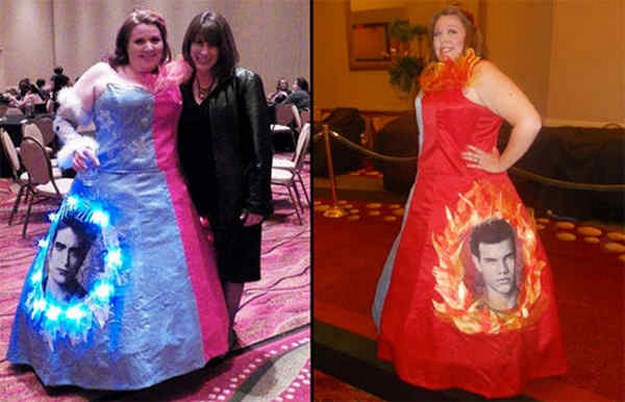
Edward vs. Jacob
A lot of women consider their wedding day to be a very important one. For the same reason, lots of folks use it to put their beliefs on the spotlight. Clearly, she couldn’t choose between Edward and Jacob.
Edward vs. Jacob
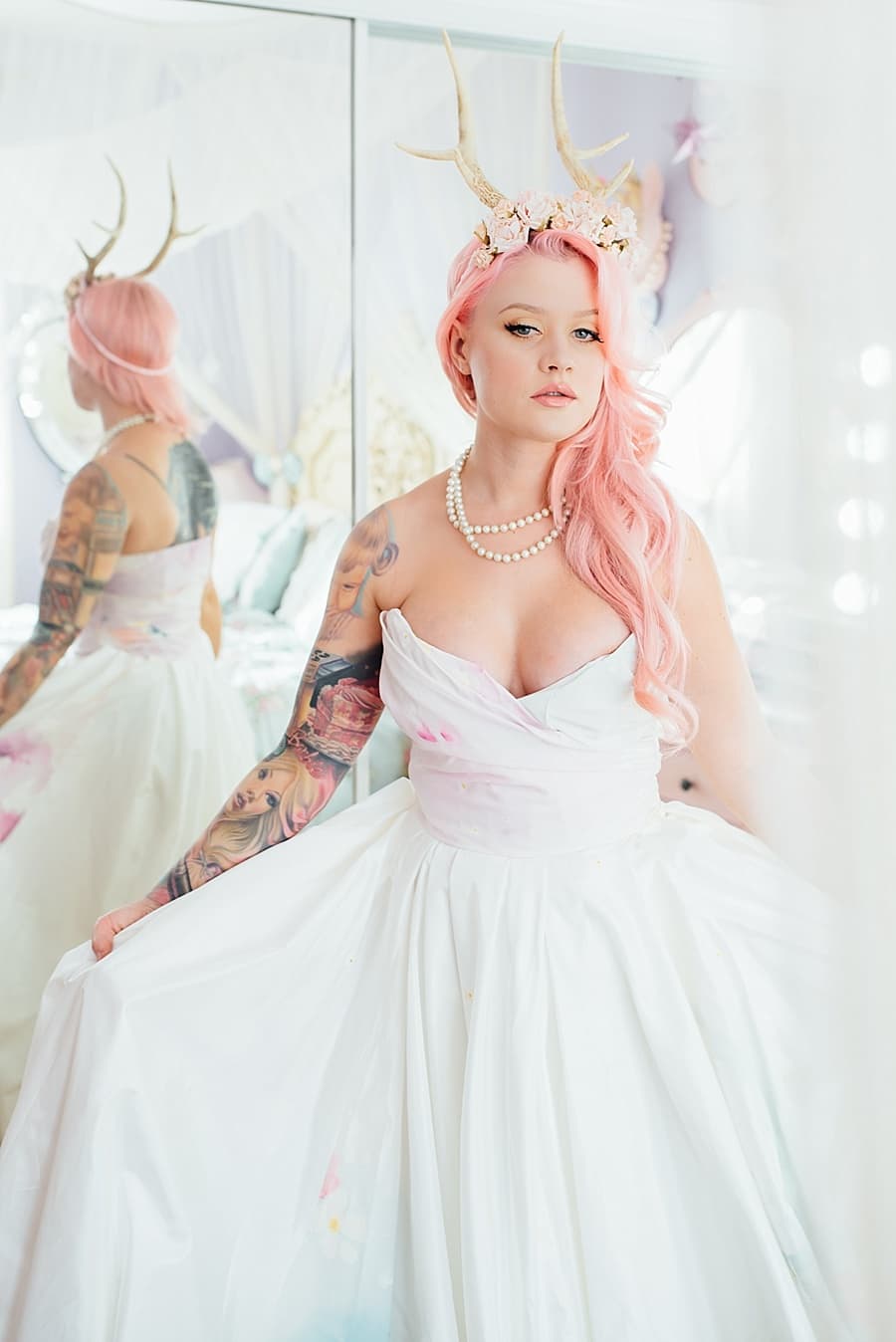
A Tumblr Wedding
Talk about goals. This is simply perfection in dress form. Look at the antlers, tattoo sleeve, and pink hair. We love the fact that she wore a traditional white dress. It balances things out and makes it perfect.
A Tumblr Wedding
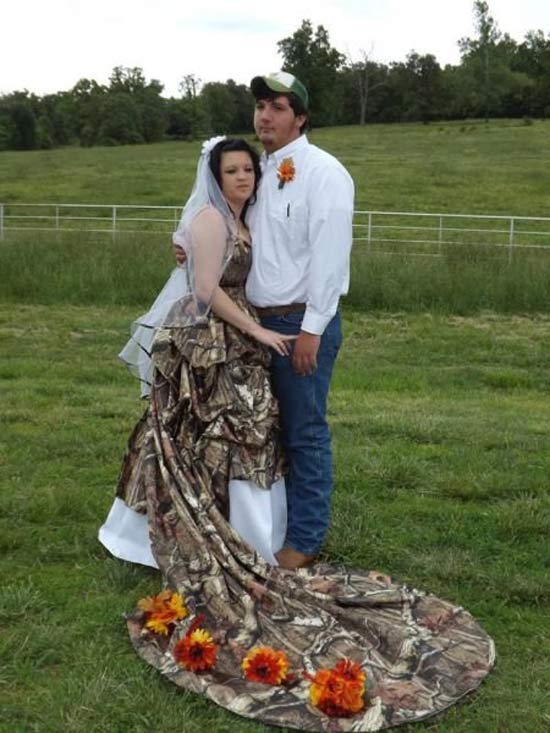
Doing Camouflage Wrong
Rebellion is easy for some people. These are the folks who have no qualms going against the flow. It can yield amazing results, but it can also be disastrous. We will let you decide which one this is.
Doing Camouflage Wrong
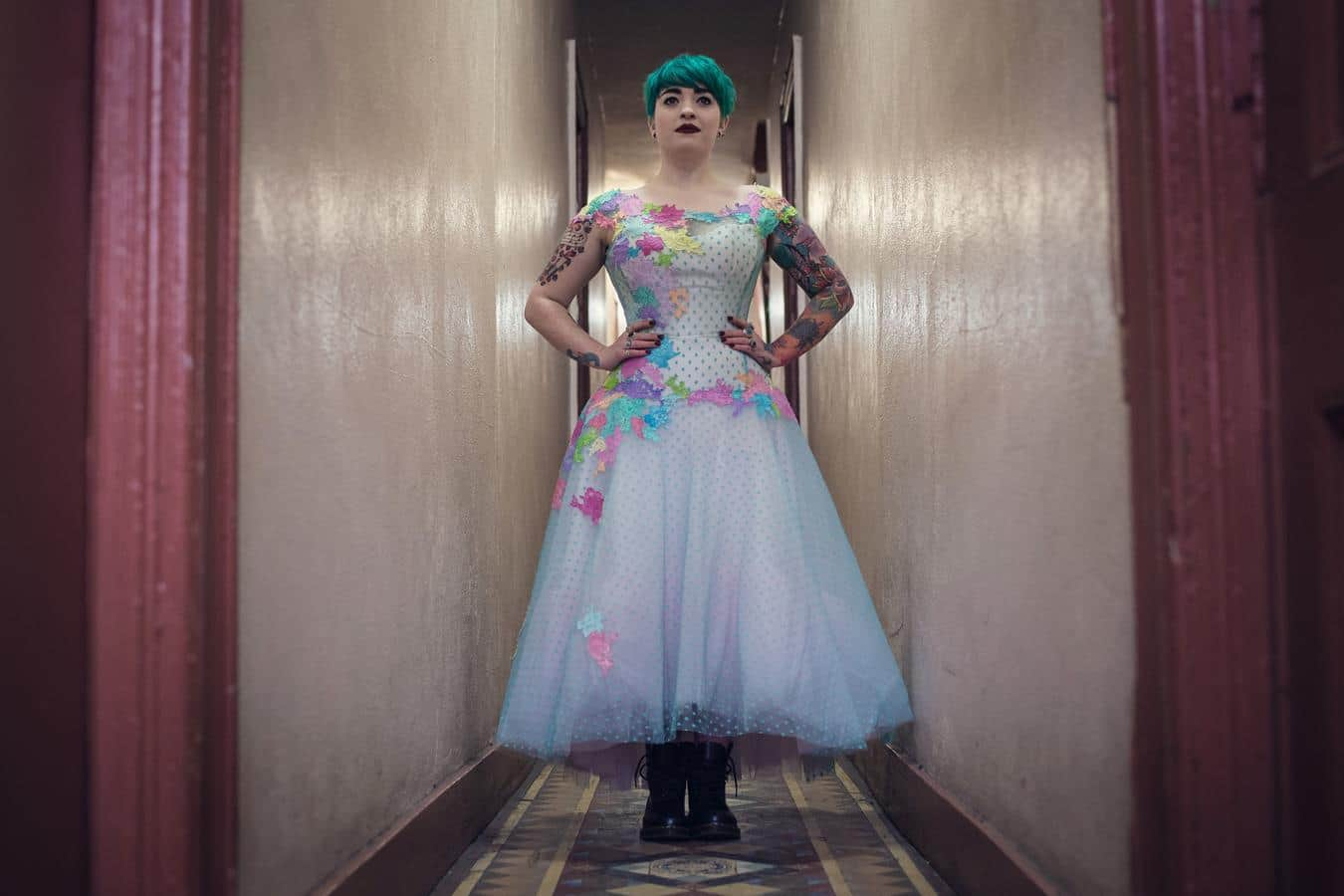
Let Your Imagination Run Wild
Anime is clearly alive and well in Portland. The bride was able to pull off the wedding day of her dreams. A wild imagination and fascinating tattoos are all you need to make a bold fashion statement.
Let Your Imagination Run Wild
Gown Out Of Hair
As you can see, many women are not huge fans of traditional wedding gowns. This one, however, is very bizarre. It is a masterpiece that no one would forget. A dress with human hair will always stand out.
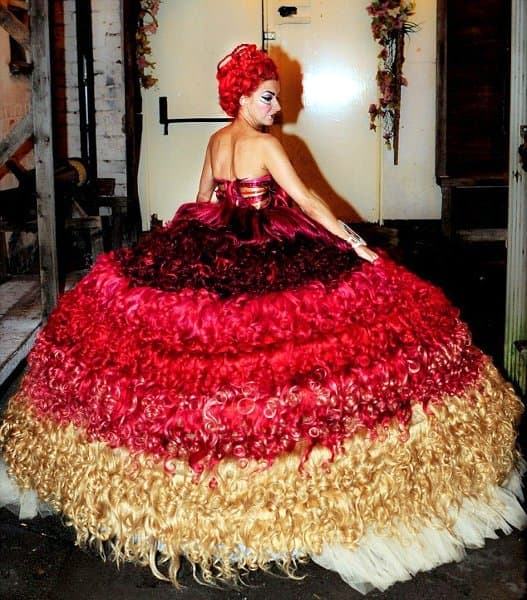
Gown Out Of Hair
Meet Super Bride
We think that this might be the coolest lady on the list. Yes, she is Super Bride. She liked comic books so much that she wanted them to be a part of her big day. What a great idea.
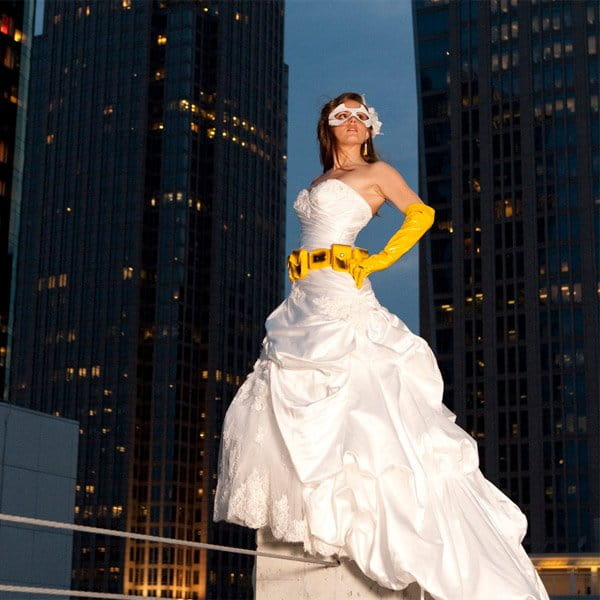
Meet Super Bride
Showing Off Skin
Body art can sure be beautiful. We are happy that it is a lot more accepted these days. This bride wanted to show as much skin as possible. The contrast with her simple white dress is gorgeous.
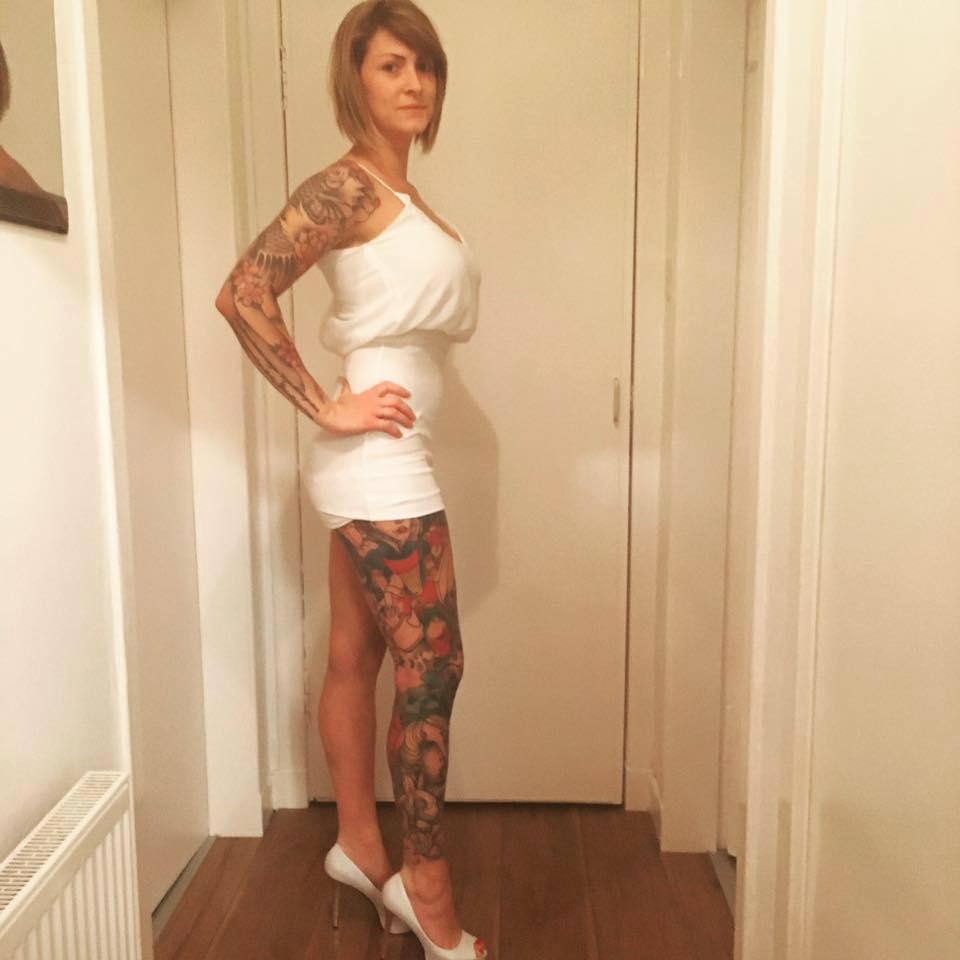
Showing Off Skin
Actual Corpse Bride
There are some unconventional wedding gowns on the list, and we doubt we have seen the end of it. Look at her. What a haunting image this bride brings. We just hope that her groom was prepared for it.
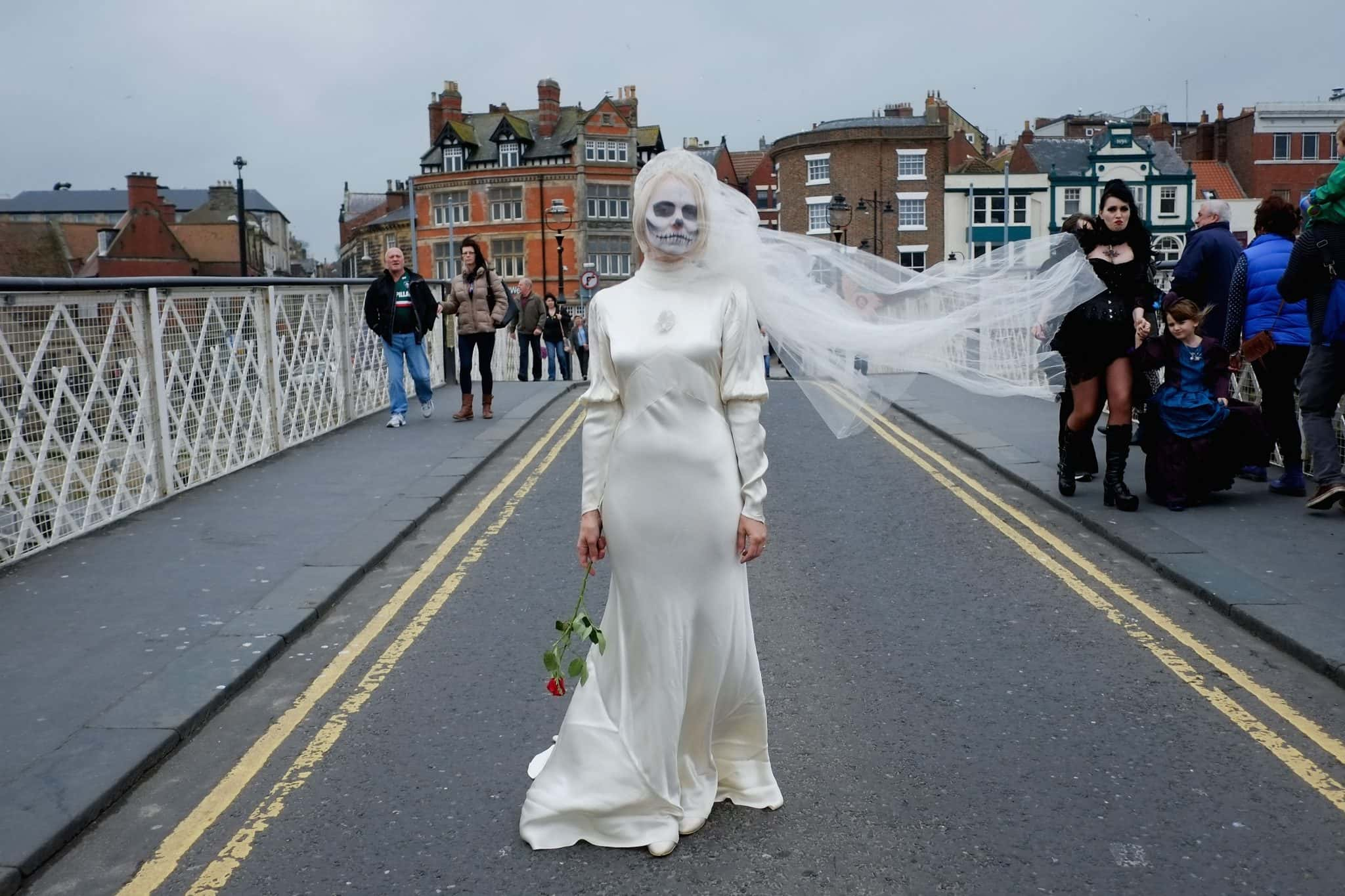
Actual Corpse Bride
Don’t Need No Man
This independent lady knew that she did not need a man in her life for it to be complete. Yes, not even on her wedding day. She must have a great seamstress to have a gown like this one.
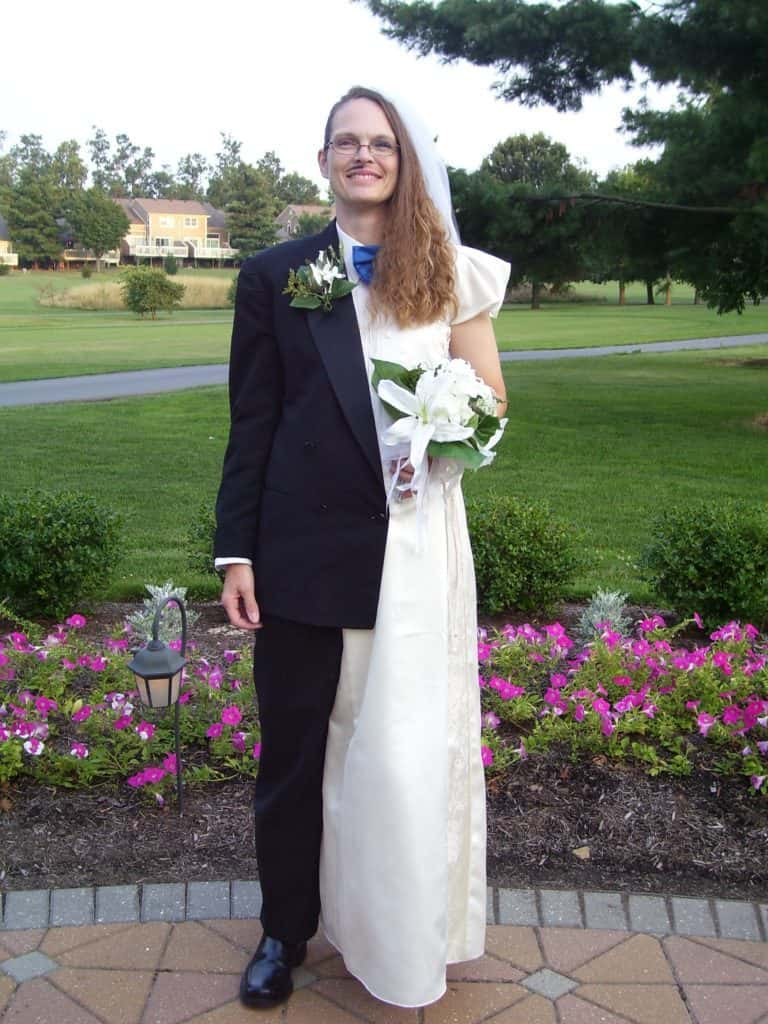
Don’t Need No Man
Colorful Frills
Without a doubt, frills are staples on wedding days. Ladies are coming up with new ways to personalize the details, however. A colorful multi-layer frill system is neat. She looks radiant in this dress of hers!
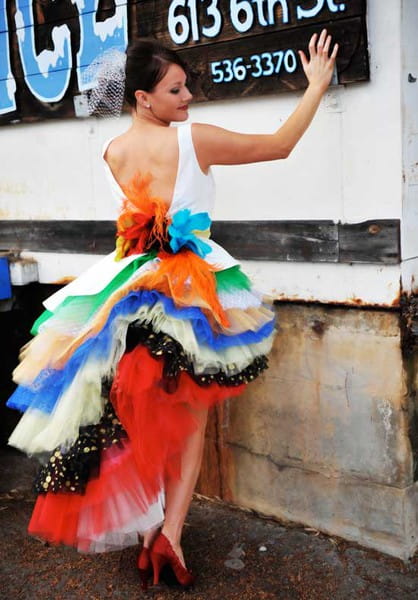
Colorful Frills
Pumpkin Wedding
Lots of people prefer weddings in the summer, but autumn weddings are also nice. When the weather is pleasant, you can choose to marry under the shades of orange, red, and green. What a daring choice.
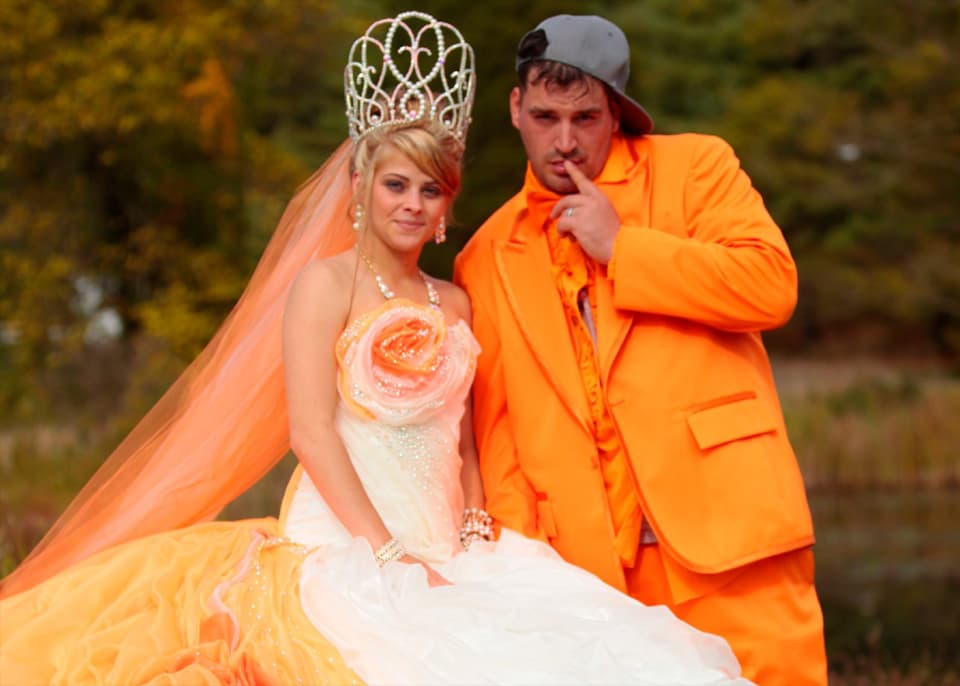
Pumpkin Wedding
Sports On Your Big Day
This woman is a big Manchester City fan. She wanted to show her loyalty to the club by doing this on her wedding day. She took all the shirts she found in her closet and made this. We think it is impressive!
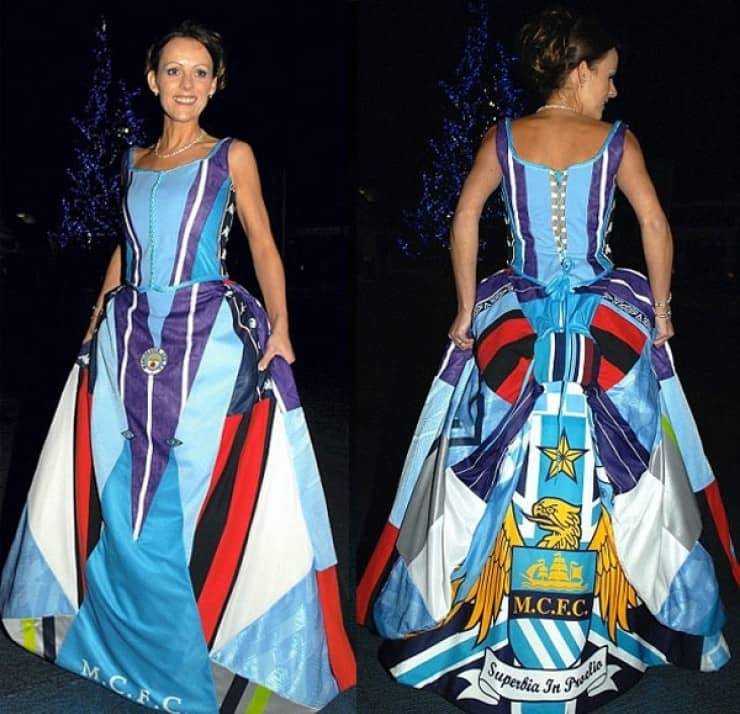
Sports On Your Big Day
Patriotic Princess
Patriotism can be a nice thing. After all, it is what binds citizens of one country together. What a great way to promote strong bonds and tradition. She knew all of this, which is why her dress looks like this.
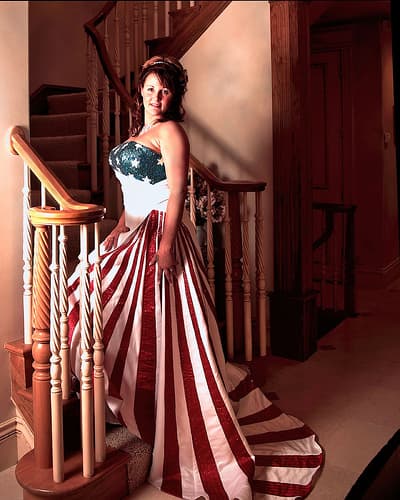
Patriotic Princess
Airy Bride
Who would have thought that balloons would be so popular among brides? They are free to do anything on their wedding day, but it might be better to do these things in moderation. It is a bit much.
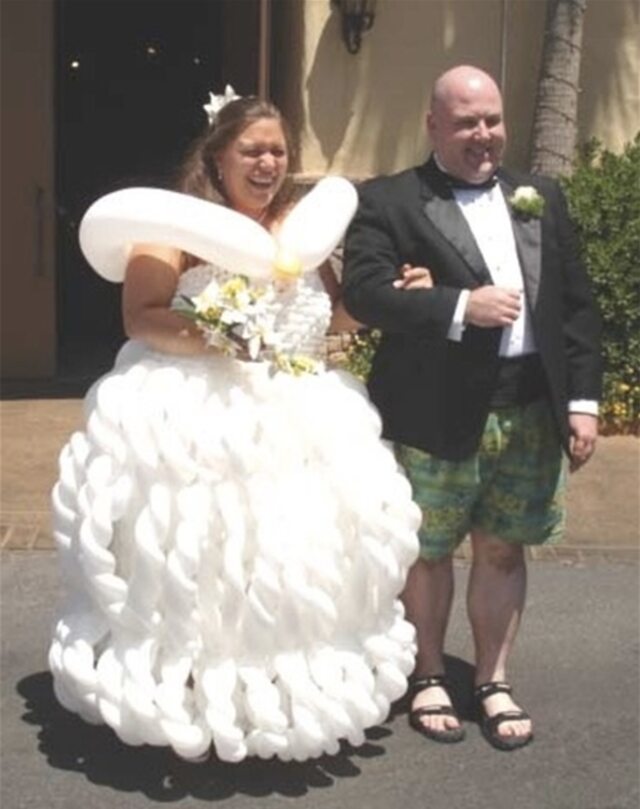
Airy Bride
Over The Top
She could not get over her Rio trip, so she opted to pay tribute to it on her big day. She wanted to look just like the dancers, only a bit more fab. The sequins, fabrics, and features sure make for a striking look!
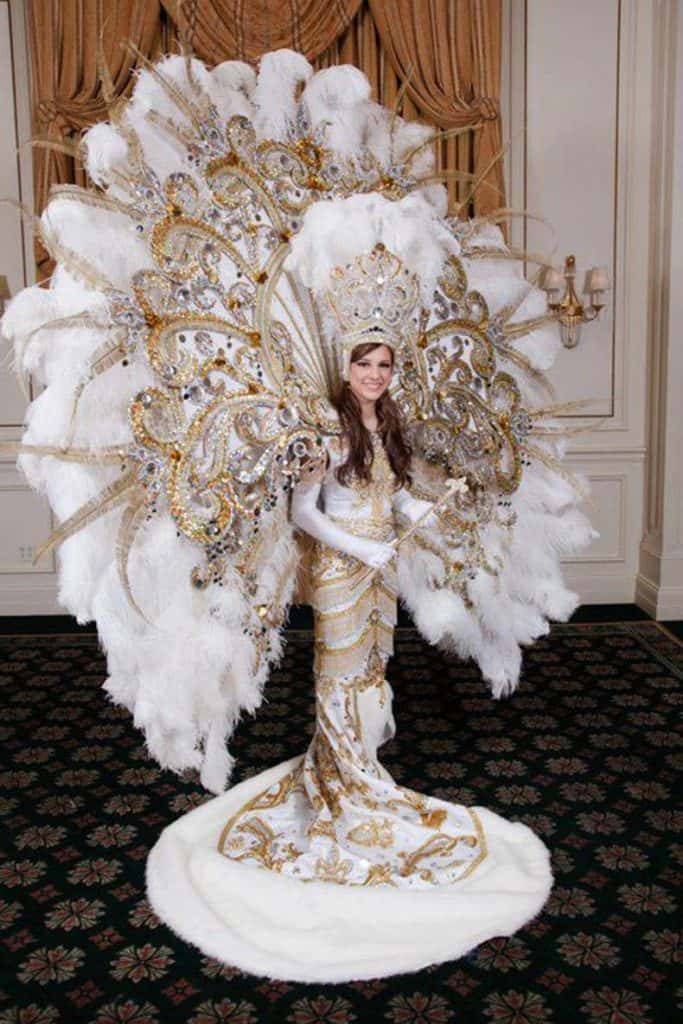
Over The Top
Solo Cup Wedding Dress
What a creative bride. We do not think we have seen a gown like this before. She is a pioneer, and she deserves kudos for it. This is a good way to put your recycling skills to test, if we may say so ourselves.
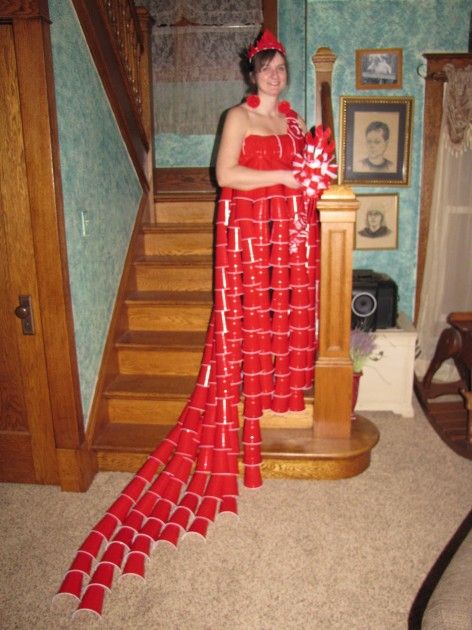
Solo Cup Wedding Dress
Veil Of Sorts
There is nothing wrong with this dress. It is certainly a lot better than many of the things we already saw. But look at the veil. She wanted something more octopus-like. Is this a gown or an art installation?
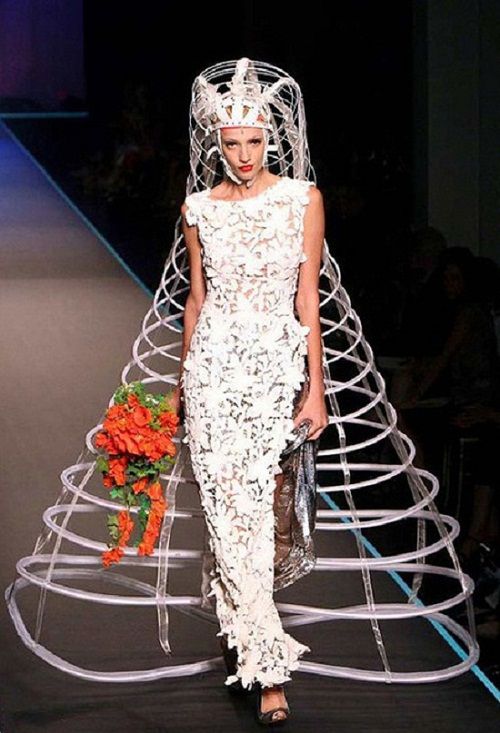
Veil Of Sorts
Furry Veil
Here is one more veil fail. We have no clue what she thought she was doing when she did this. Sorry, lady, but it looks like you have a dead animal around your head! The dress itself is pretty, however.
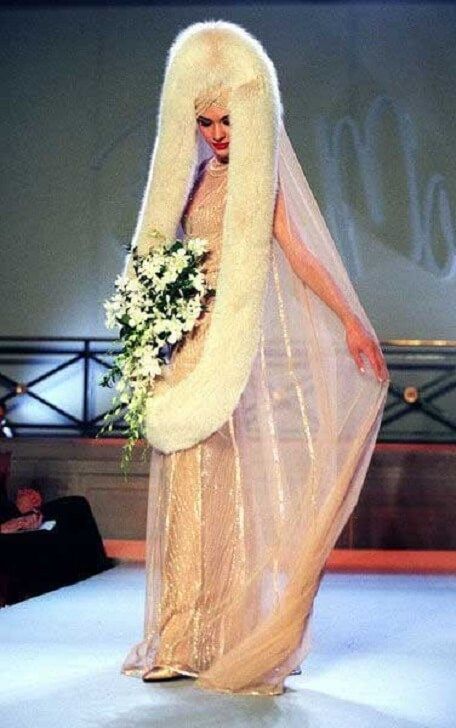
Furry Veil
All-American Bride
Again, patriotism is all good. Still, there is something off about putting the flag in our dress. We think it is a bit tacky. Is she a bride or a sandwich board ad? It is more fitting for a baseball game, not a wedding.
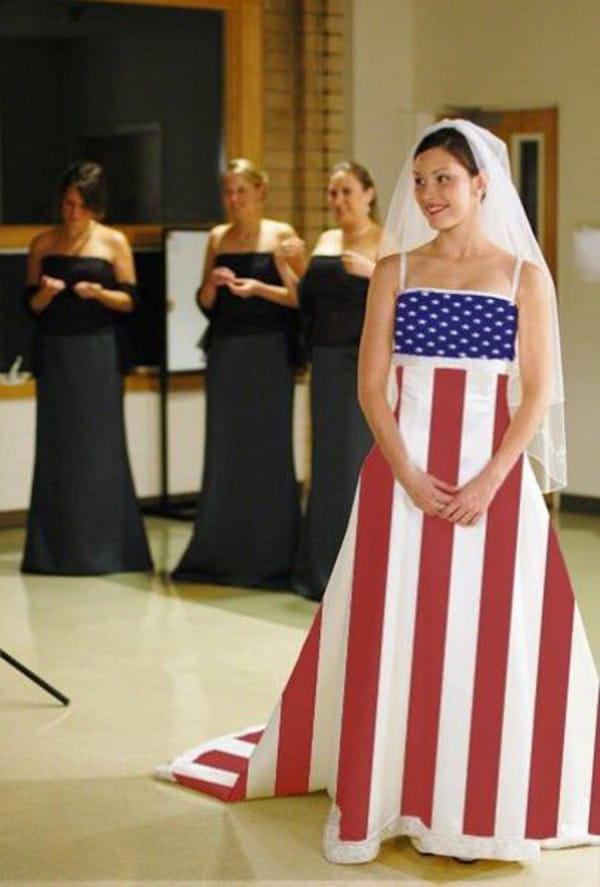
All-American Bride
Balloon Lady Three
Man, it seems like we underestimated just how popular balloons are among brides. What makes it even more over-the-top was the ‘racy’ red and high slit. The sky-high heels make us wonder how comfy it is.
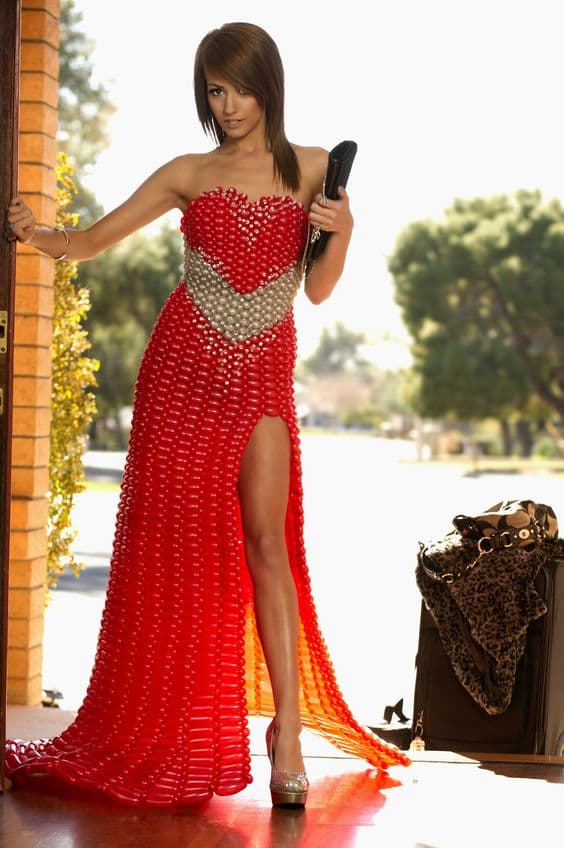
Balloon Lady Three
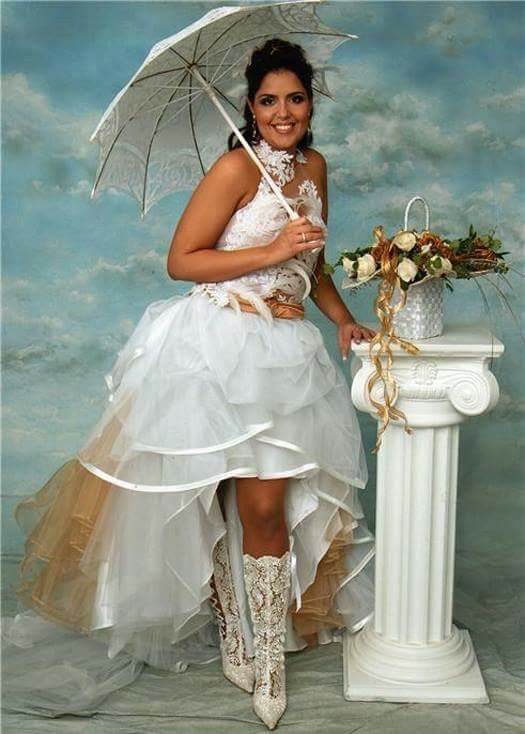
Country Girl Bride
She clearly did not learn anything from the wedding gown the Duchess of Sussex went with. No, she had six seams installed to make her appear like she was floating along the aisle. She’s beauty, she’s grace!
Country Girl Bride
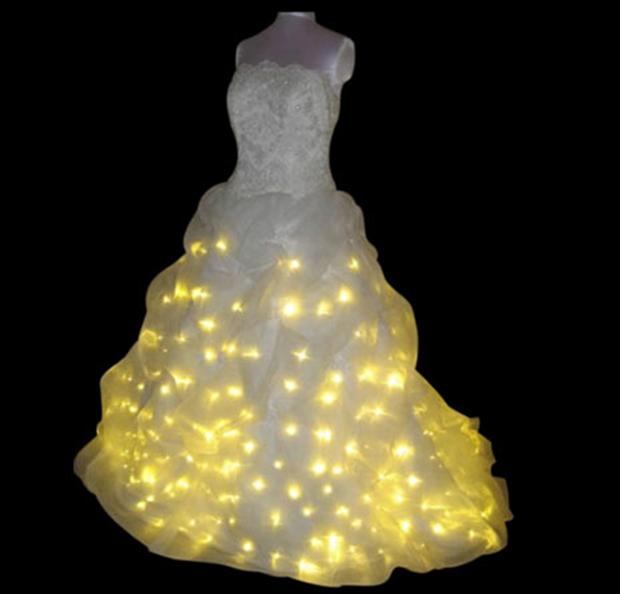
All The Stars
What a smashing dress. We love the effects the fairy lights lent it, but we don’t think it’s such a bright idea to have them so near to one’s delicate parts. It is festive, but it also makes her a walking hazard.
All The Stars
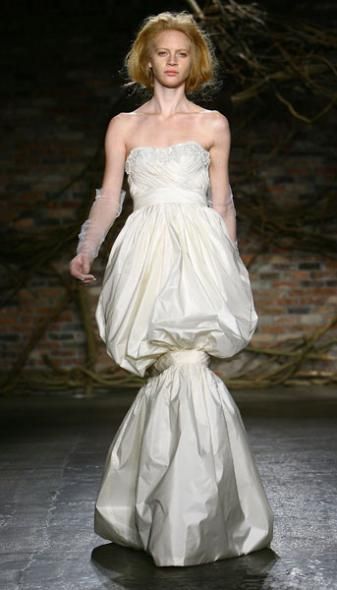
Dwarf Dress
If you only look at the top part, you will wonder why this is even on the list. However, you will figure it out when you look downwards. Can she walk properly with a tight band like that on her knees? Hmm.
Dwarf Dress
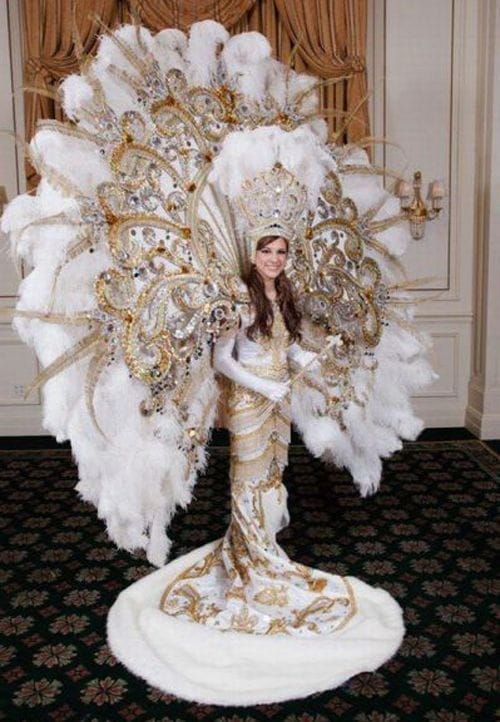
The Fairytale Bride
This gold and white feathery outfit is something out of a fairytale. This woman is still smiling no matter how hard it must be to wear this ornate and heavy dress. What is that in her hands, anyway?
The Fairytale Bride
Face Paint Is The Way To Go
This looks like a traditional wedding until you see their faces and the bouquet. Two quirky folks wanted to do things their own way. She went for a tiger look, while he wanted to become a panda.
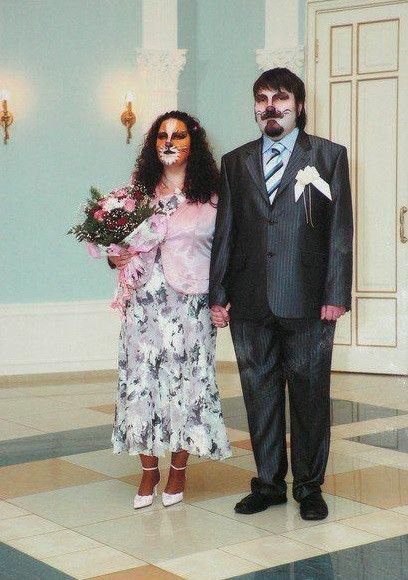
Face Paint Is The Way To Go
Creepy Couple
This was one unusual wedding. They chose to hold it at the beach right in front of the sea. This is the dream for a lot of people. The macabre makeup lends the event a rather strange vibe, however.
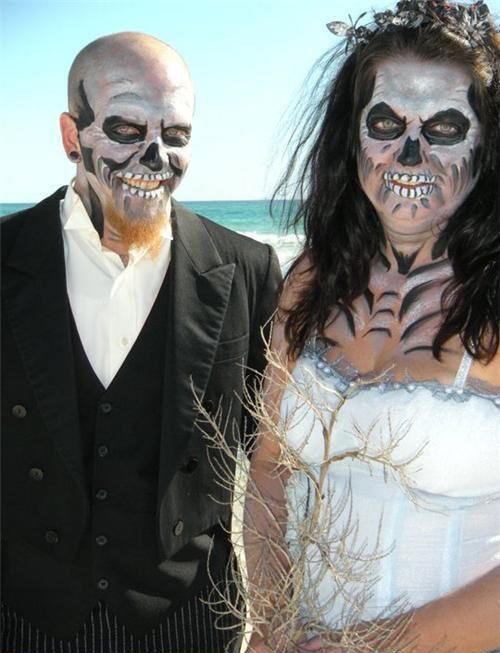
Creepy Couple
Birdy Bride
Good luck looking for a bird more elegant than a white swan. Brides will only dream of looking this graceful. She wanted to compete with this animal, but we daresay that it only backfired on her.
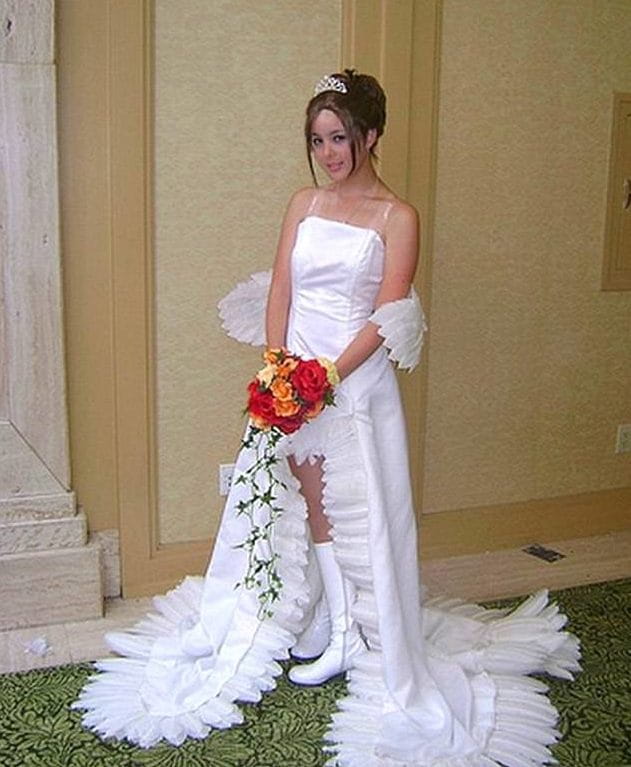
Birdy Bride
True To Her Roots
This Asian lady wanted her culture to be a part of her big day. With her headpiece and fabric strips, we daresay that she managed to respect the tradition of her forebears. She did it so fashionably too!
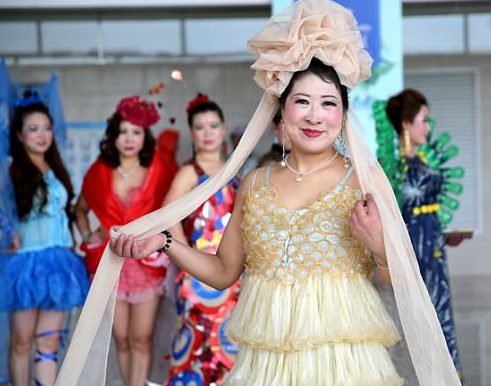
True To Her Roots
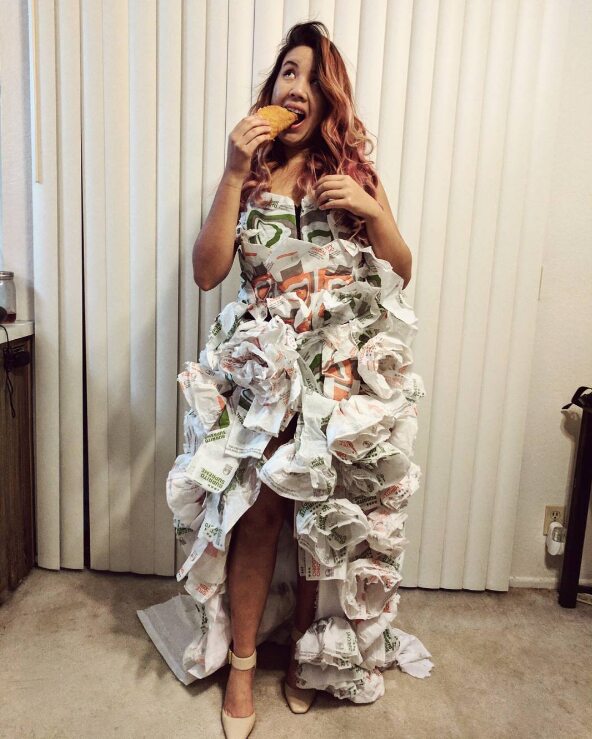
Tacos For Days
A lot of people want to honor their roots, but this woman wanted to pay tribute to her favorite fast food restaurant instead. For her, Taco Bell has always had her back. What a great way to show your respect.
Tacos For Days
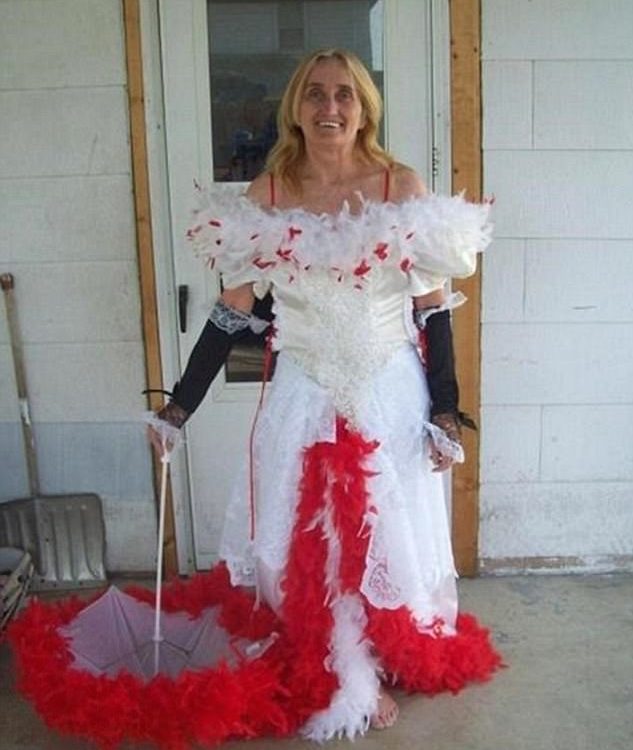
Feathery Fiona
Feathers can be good additions to your dresses. Look here and you will see that many people take it to a whole new level. The red and white feathers look like they belong on the Broadway stage!
Feathery Fiona
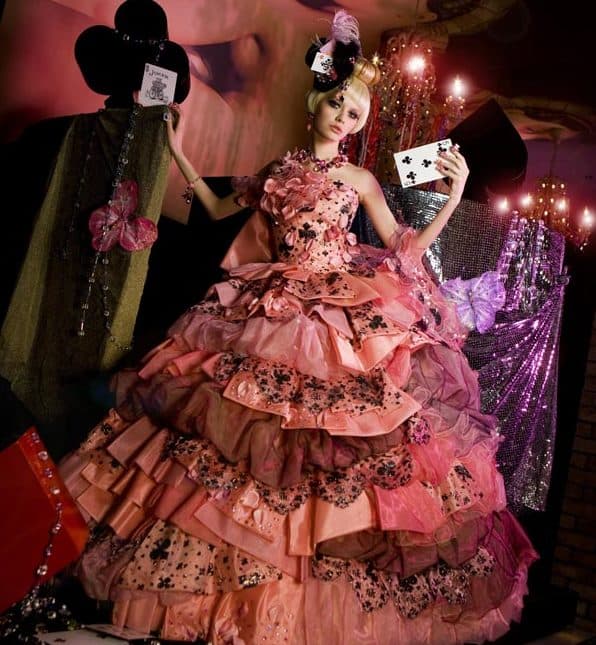
Playing Cards
This lady liked to play and gamble, which is why she had card symbols on her dress. Was it worth it? This is one bride who is always ready for any game you wish to play. Her poker face sure is impressive.
Playing Cards
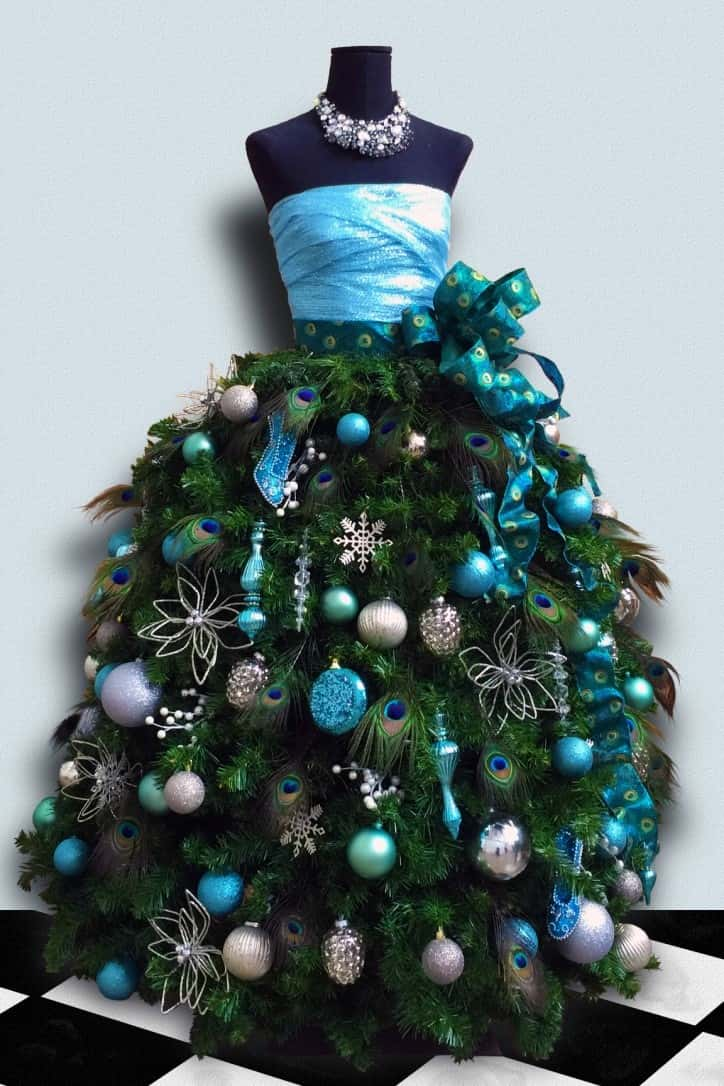
Ho Ho Ho
She wanted to let everyone know that she was getting married over the holidays. This smart gal picked a dress that also functioned as a Christmas tree. This is a good idea if you want to marry in the winter.
Ho Ho Ho
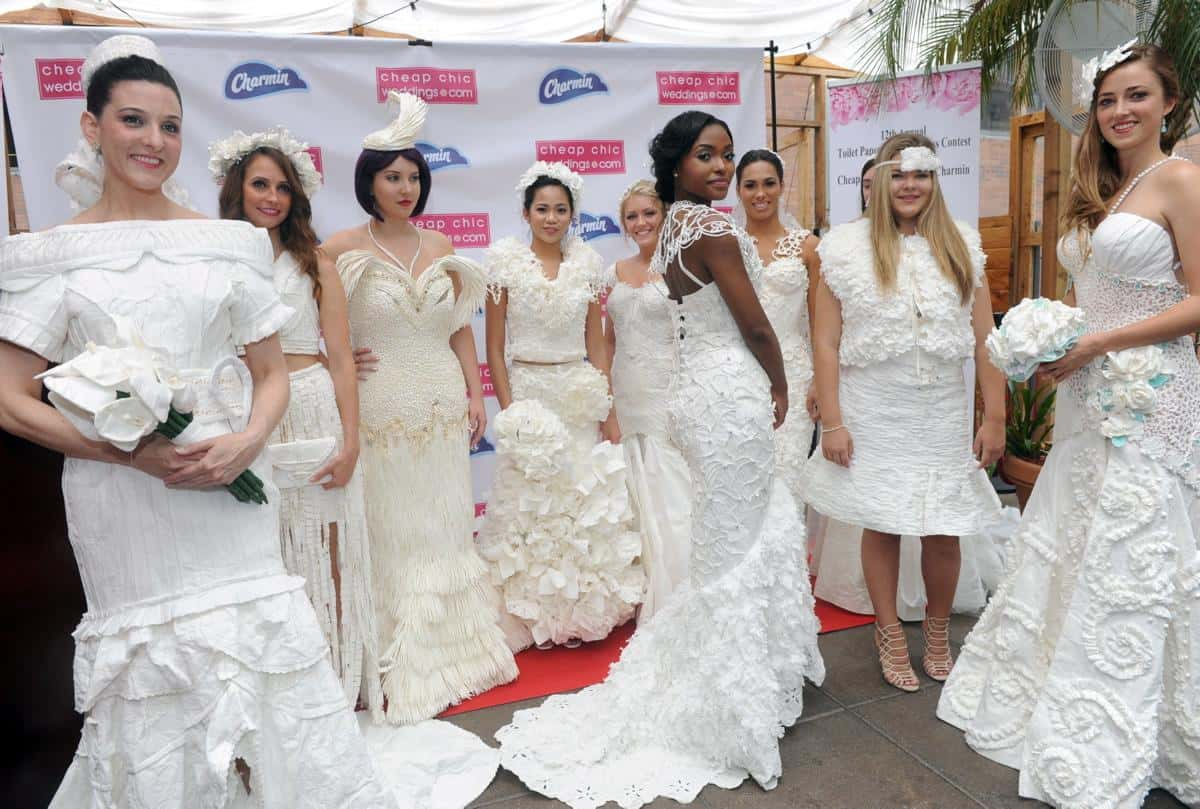
Teepee Party
After the ceremony, they can use their gowns to wash their, er, rear end. After all, these dresses were made with toilet paper. What a strange idea. Still, it is very stunning. Do you think the men did it too?
Teepee Party
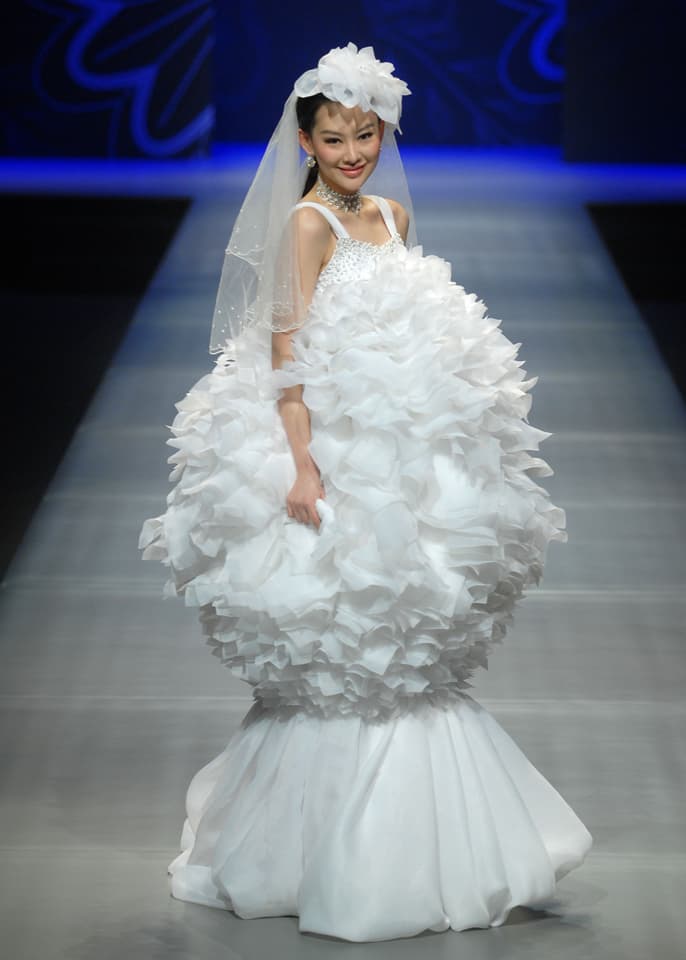
The Frillier The Better
Make sure that you pick a wedding dress that works for you. Fitted or loose, choose something that would fit you. This woman was a fan of dress that pops. The dress looks like some weird type of fish!
The Frillier The Better
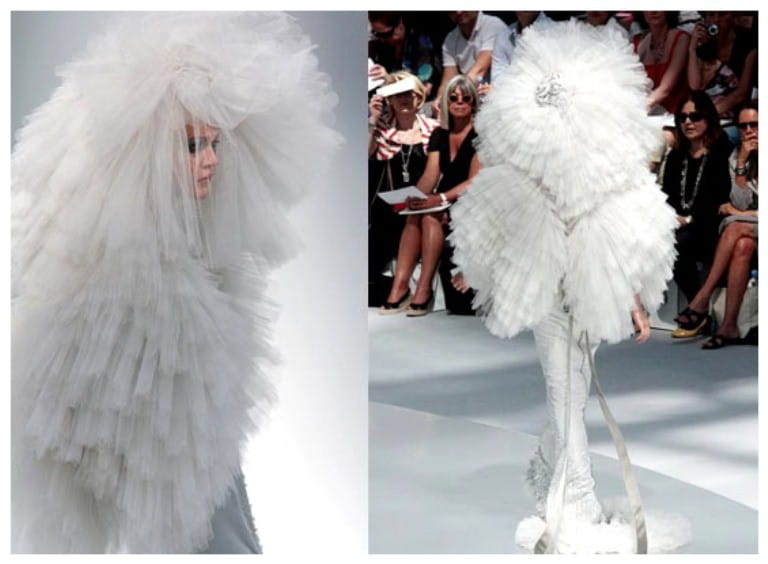
Fast Forward Fashion
While not required, it would be great if your wedding gown said something about you. This is one we just can’t puzzle out, however. We daresay that it is all party on top, but a total disaster downstairs.
Fast Forward Fashion
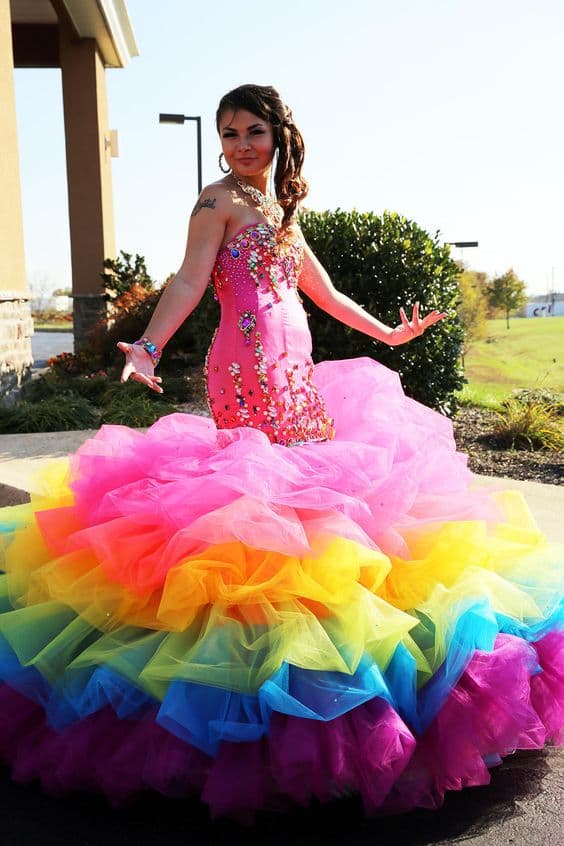
As Much Color As Can Be
There is a reason why they call your wedding the biggest day of your life. It is a day where you celebrate your relationship. It makes sense to wear something this colorful. No doubt, all eyes would be on her.
As Much Color As Can Be
Give Me A Hand
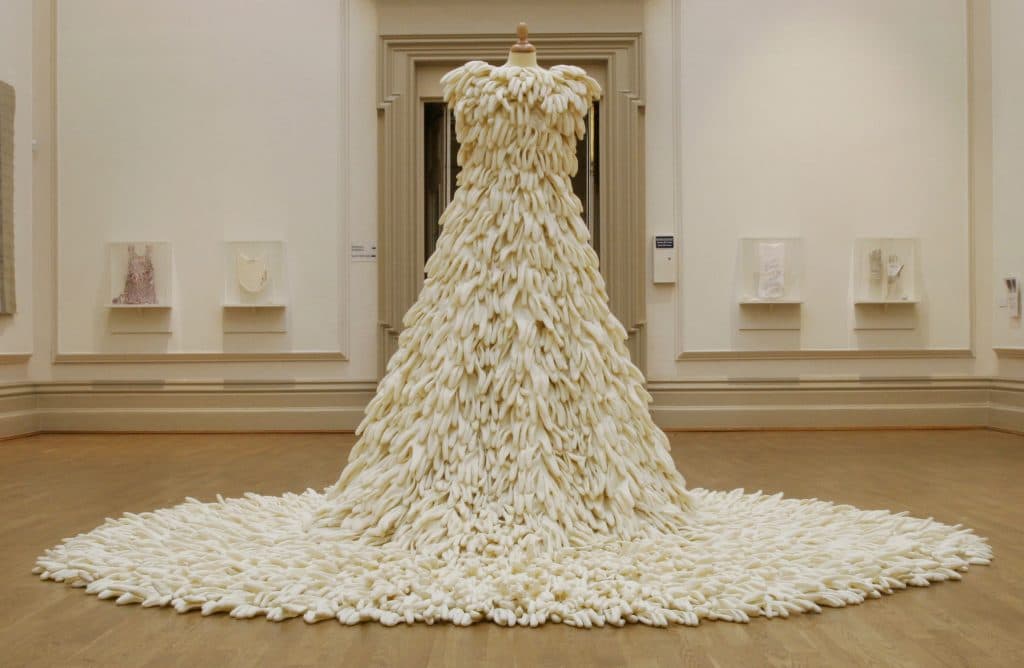
Take a look at the dress here from a distance, and you will likely think that it is made of feathers. It turns out that it is even weirder than that. Why on earth would someone come up with a rubber glove dress?
Give Me A Hand
Messy Monica
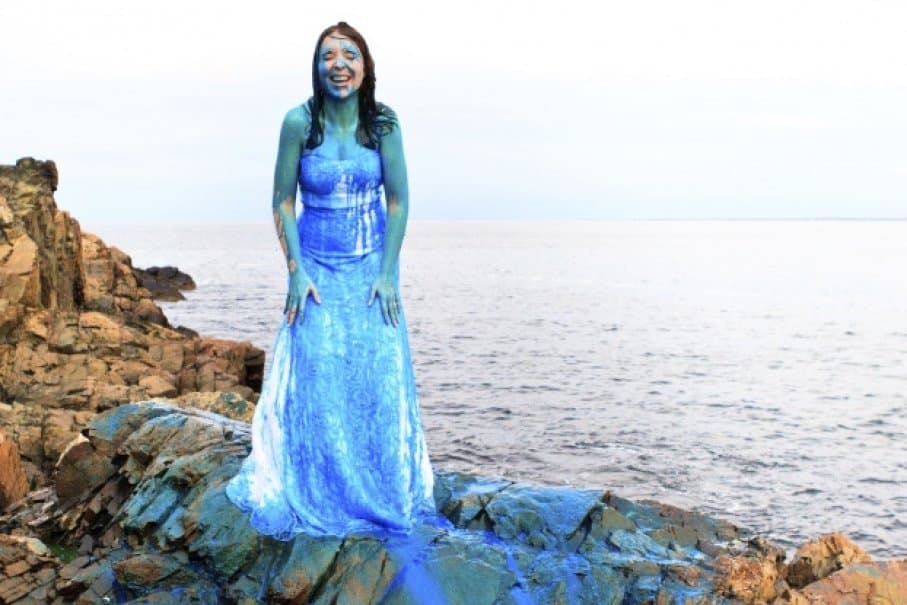
There is a chance that we would never find out what was going on before this. The blue paint is pretty appealing, however. Could this be a makeshift “something blue” after she forgot to get one?
Messy Monica
Wig Extraordinaire
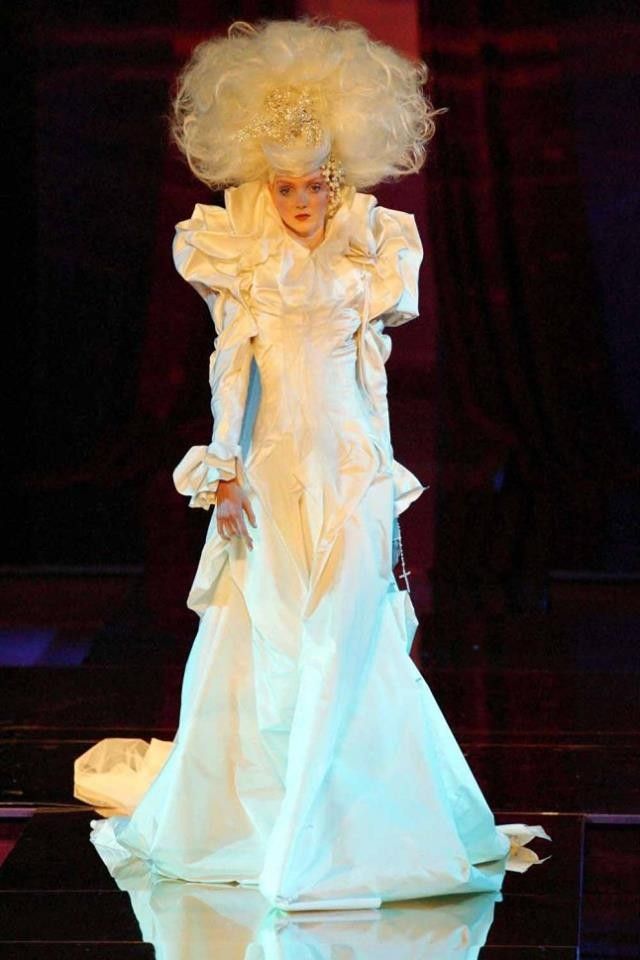
This is quite a smashing dress, actually. One could fare much worse than this. Still, she gets to be on the list for that huge accessory. We bet she had a hard time getting it out of her afterward!
Wig Extraordinaire
Dancing Queen
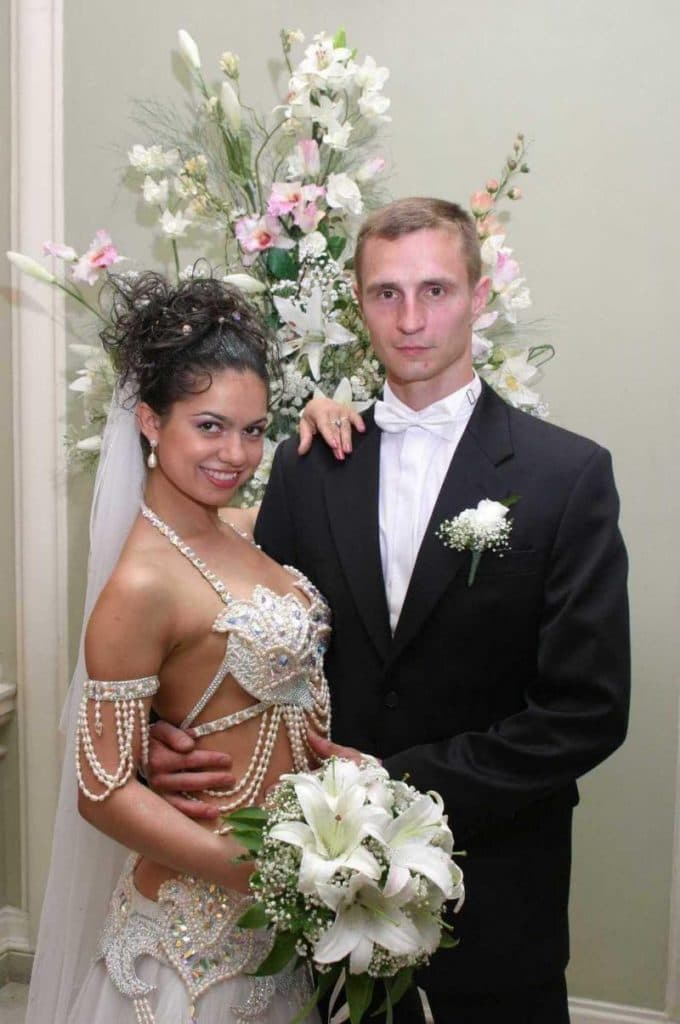
They wore their best clothes for the occasion, but they did not see eye to eye. The groom cuts a dashing figure in a sophisticated penguin suit. The flowers look nice too. We have many questions, but at least they look happy.
Dancing Queen
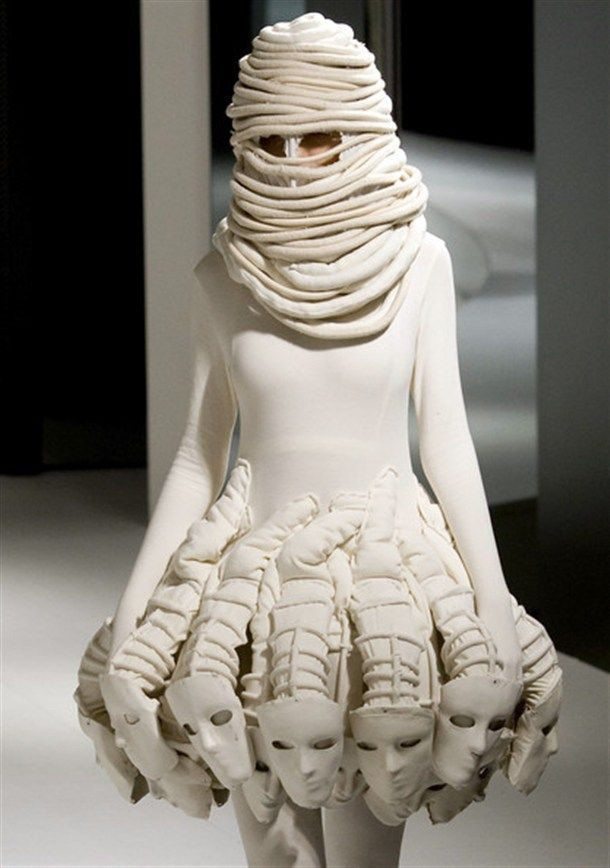
Faces And Faces
One has to put on many faces on the day of their wedding. People want to see you happy, but you must also keep your face in check after hearing that no one appreciates the donut wall. Of course, there is a very good chance you will tear up during the recital of vows. This dress is her interpretation of all that.
Faces And Faces
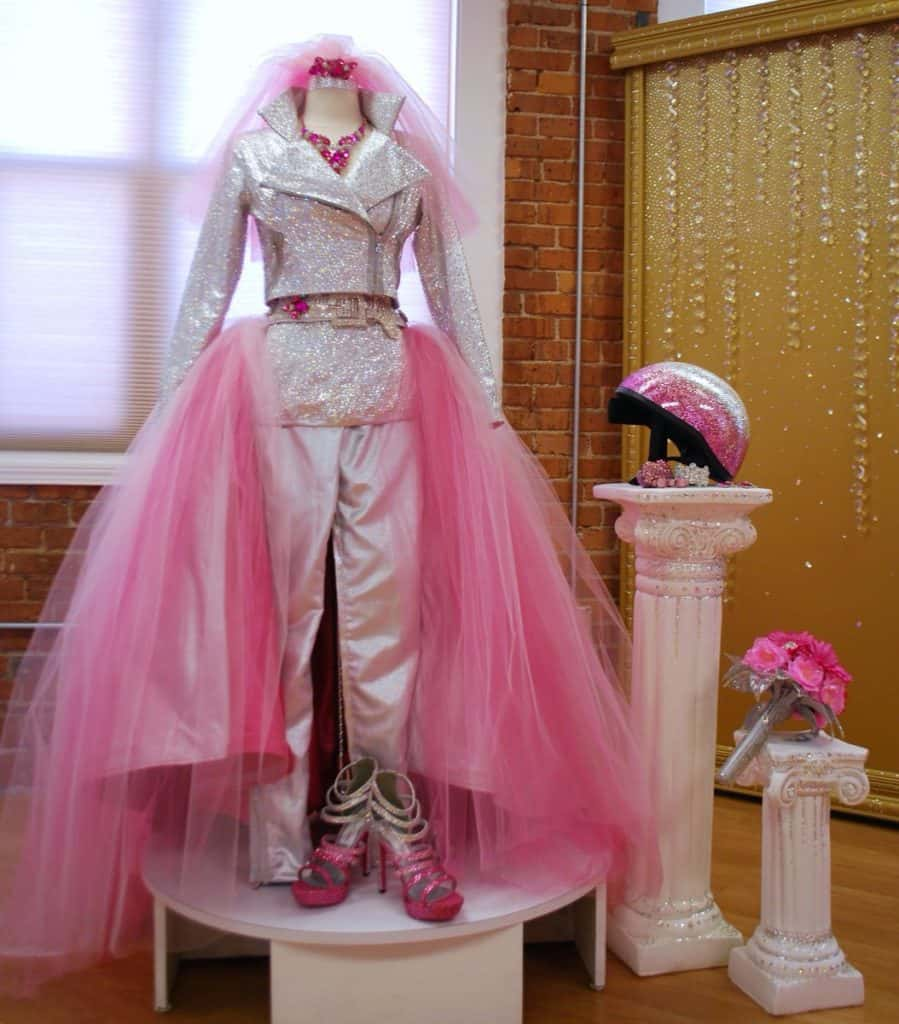
Like A Popstar
Most ladies wear wedding dresses for the big day, but others want to break the norm further. This also happens. You should don a sparkly silver suit if you are a rebel! The stilettos and tulle are nice touches. We don’t know what is up with the bike helmet, however…
Like A Popstar
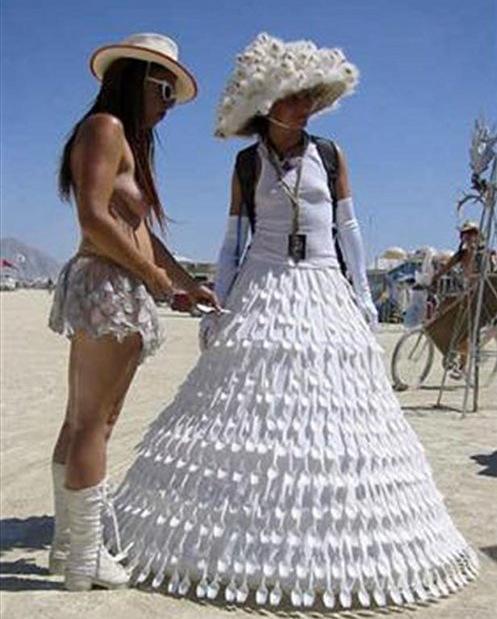
Beach Bride
Make sure to get ready for the heat if you want a beach wedding. It can ruin the day if you do not come prepared. This lady was an environmentalist as well, which is why she used plastic spoons for her skirt!
Beach Bride
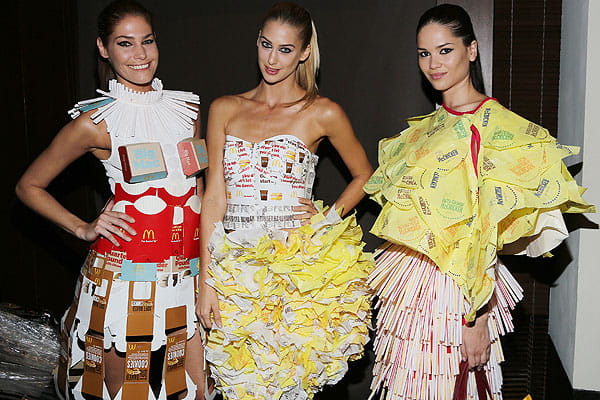
A McDonalds Wedding
Are you truly American if you do not have an obsession with McDonalds? We’re lovin’ it, but this one deserves to get criticized. Still, they were all smiles even though they had dresses made of wrappers.
A McDonalds Wedding
Furry Princess
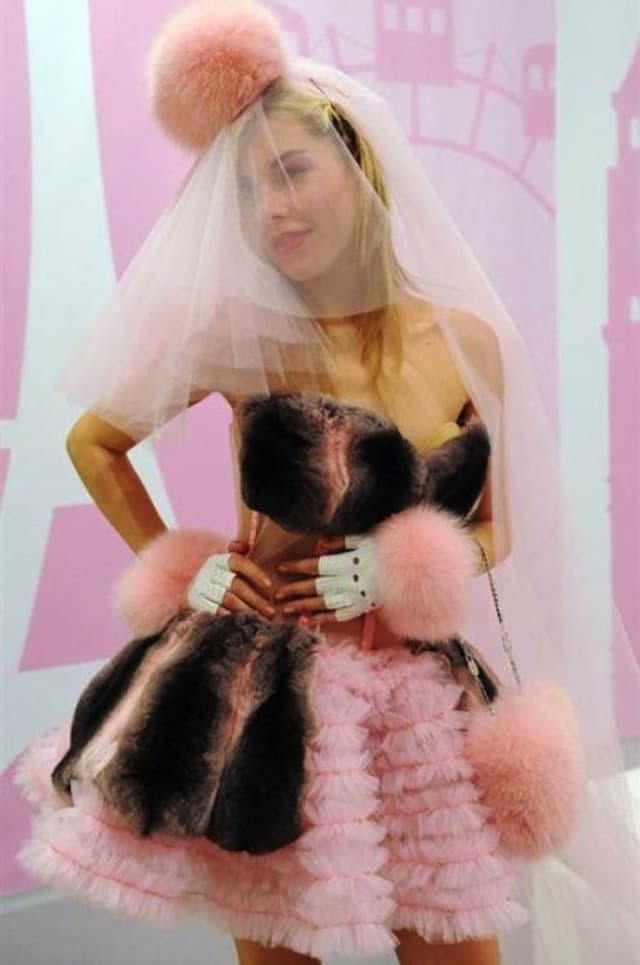
More people want to deviate from traditional wedding dresses. This is the reason this furry creation did not surprise us that much. It is not all that practical, but it probably helped her get through the cold.
Furry Princess
Bones And Brides
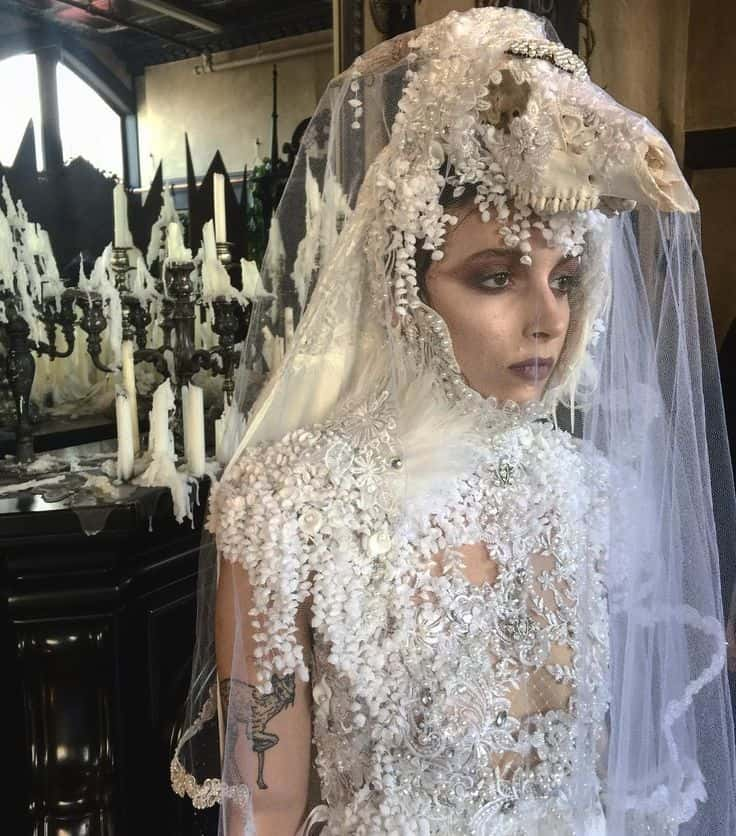
Yes, she doesn’t seem all that thrilled about the wedding. Still, melancholic works for the ensemble she picked. It sure fits the vibe she had been going for, even though it might seem strange to all of us.
Bones And Brides